- All
- Product Name
- Product Keyword
- Product Model
- Product Summary
- Product Description
- Multi Field Search
Views: 0 Author: Site Editor Publish Time: 2025-10-27 Origin: Site


Imagine a commercial stove that heats faster, saves energy, and lasts longer. Honeycomb ceramic plates make this possible. These plates are essential for high-performance stoves, offering superior thermal management and durability. In this post, you'll learn about their unique structure, key benefits, and applications in commercial cooking environments.
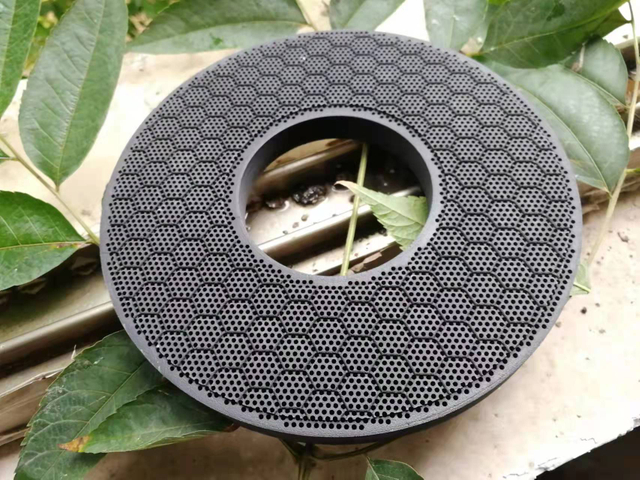
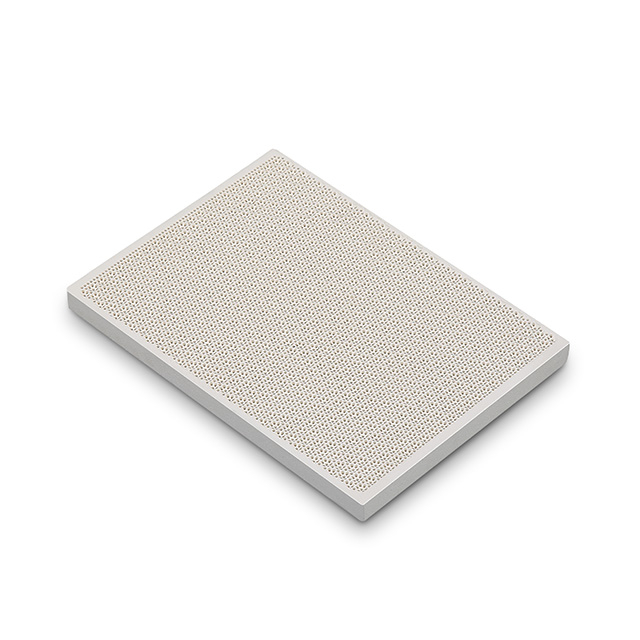
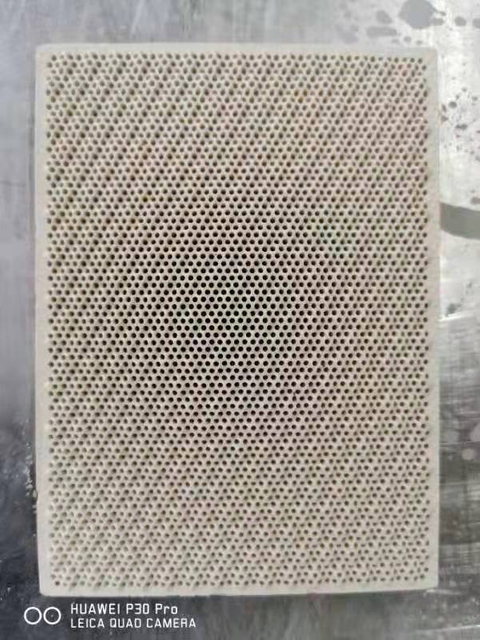
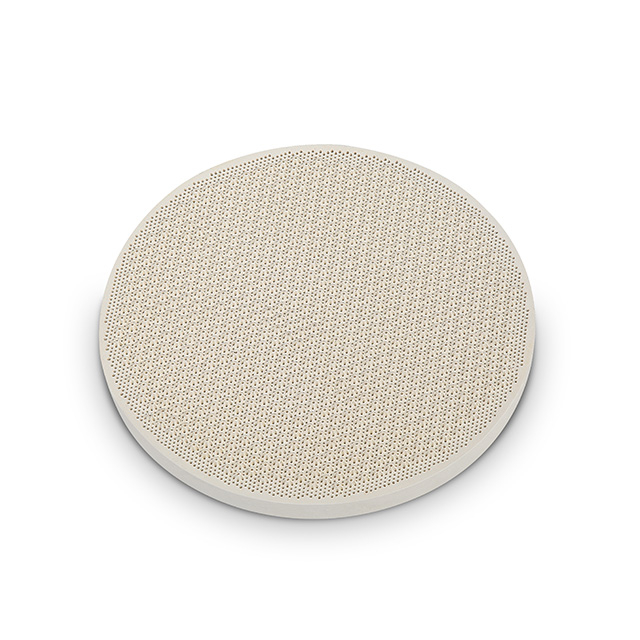
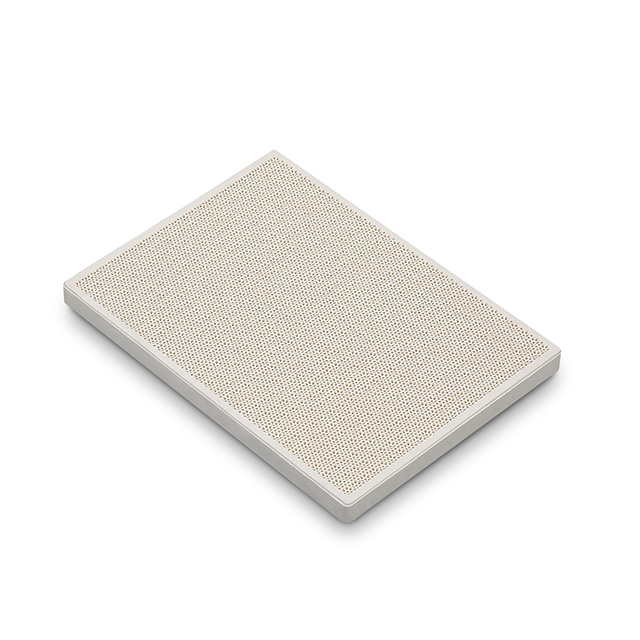
Honeycomb ceramic plates feature a unique design inspired by natural honeycombs. They consist of numerous small, parallel channels arranged in a grid-like pattern. This design creates a large surface area relative to the plate’s volume. The channels are typically square or hexagonal, allowing gases or heat to flow straight through with minimal resistance. This straight-through flow reduces pressure drop, improving overall system efficiency.
The honeycomb structure also provides excellent mechanical strength while keeping the material lightweight. Thin ceramic walls separate each channel, offering uniform support and distributing stress evenly. This structure helps the plate withstand thermal shock—rapid temperature changes common in commercial stove environments—without cracking or warping.
Common materials for honeycomb ceramic plates include cordierite, mullite, and high alumina ceramics. Cordierite is especially popular due to its low thermal expansion coefficient, which grants superior resistance to thermal shock. Mullite offers high temperature stability and mechanical strength, making it suitable for more demanding conditions. High alumina ceramics provide excellent thermal conductivity and durability but may come at a higher cost.
These materials are carefully chosen to balance thermal performance, durability, and cost-effectiveness. They ensure the plates maintain their shape and function even under intense heat and frequent cycling typical in commercial stoves.
The honeycomb structure offers several key advantages in commercial stove applications:
Maximized Surface Area: The many tiny channels provide a large surface area, enhancing heat exchange and combustion efficiency.
Low Pressure Drop: Straight channels allow gases to flow easily, reducing energy loss and improving stove performance.
Thermal Shock Resistance: Materials like cordierite combined with the honeycomb design resist cracking during quick temperature changes.
Durability: The structure evenly distributes mechanical stress, improving longevity under harsh operating conditions.
Compact and Lightweight: This design achieves high strength without excessive weight or bulk, making it easier to integrate into commercial stoves.
These benefits translate into faster heating times, more consistent cooking temperatures, and lower fuel consumption. Additionally, the improved combustion efficiency reduces emissions, supporting cleaner operation.
Tip: When selecting honeycomb ceramic plates for commercial stoves, prioritize materials with low thermal expansion and high thermal shock resistance to ensure long-lasting performance under frequent temperature changes.
Honeycomb ceramic plates excel at managing heat in commercial stoves. Their unique structure provides a vast surface area, allowing heat to spread evenly and quickly. This helps stoves reach cooking temperatures faster and maintain consistent heat levels. The materials used, such as cordierite or mullite, resist thermal shock, so the plates handle rapid temperature changes without cracking. This means your stove operates reliably even during heavy, continuous use.
Because honeycomb ceramic plates distribute heat efficiently, stoves consume less fuel or energy to maintain cooking temperatures. This efficiency lowers operating costs over time. The low pressure drop created by the honeycomb channels also means the stove's combustion system works smoothly, reducing wasted energy. For businesses, this translates into significant savings on fuel bills and less frequent maintenance costs due to reduced wear on stove components.
Honeycomb ceramics are built to last. Their design evenly spreads mechanical and thermal stress, preventing damage from repeated heating cycles. Materials like cordierite have low thermal expansion, which helps avoid cracks or warping even after years of use. This durability reduces the need for frequent replacements, saving money and downtime. Additionally, their resistance to corrosion and chemical wear makes them ideal for harsh commercial kitchen environments. Choose honeycomb ceramic plates made from low-expansion materials like cordierite to maximize thermal shock resistance and extend stove lifespan.
Honeycomb ceramic plates boost cooking efficiency in commercial stoves by improving heat distribution. Their unique structure offers a large surface area that spreads heat evenly across the cooking surface. This uniform heat reduces hot spots and ensures food cooks consistently every time. It also helps stoves reach the desired temperature faster, cutting down preheating time. Faster heat-up means kitchens can operate more smoothly during busy hours, increasing productivity.
The honeycomb design also allows for better airflow and combustion. Gases move through the channels with minimal resistance, enabling the stove's burners to burn fuel more completely and efficiently. This optimized combustion results in higher heat output from the same amount of fuel, helping commercial kitchens save energy and reduce operating costs.
Commercial kitchens face growing pressure to minimize their environmental footprint. Honeycomb ceramic plates help by promoting cleaner combustion. The structure encourages more complete fuel burning, which lowers the production of harmful emissions like carbon monoxide (CO) and unburned hydrocarbons.
By improving combustion efficiency, these plates reduce the amount of fuel wasted and decrease smoke and soot buildup. This leads to less frequent cleaning and maintenance, which also lowers environmental impact. Some commercial stoves equipped with honeycomb ceramics meet stricter emission standards, making them a smart choice for businesses aiming to comply with environmental regulations and improve air quality.
Several commercial kitchens and foodservice operations have successfully integrated honeycomb ceramic plates into their stoves. For example:
Restaurant Chains: A major restaurant chain reported a 15% reduction in natural gas consumption after switching to stoves with honeycomb ceramic plates. The consistent heat improved cooking speed and quality, enhancing customer satisfaction.
Catering Services: A catering company found that stoves with these plates required less frequent burner maintenance due to reduced soot and carbon deposits. This lowered downtime and maintenance costs.
Industrial Kitchens: Large-scale food production facilities use honeycomb ceramics to maintain precise temperature control during continuous cooking processes. This consistency helps maintain product quality and reduces energy waste.
These examples highlight how honeycomb ceramic plates contribute to operational efficiency, cost savings, and environmental responsibility in commercial cooking environments. When upgrading commercial stoves, choose honeycomb ceramic plates designed for optimal cell size and material quality to maximize cooking efficiency and emission reduction.
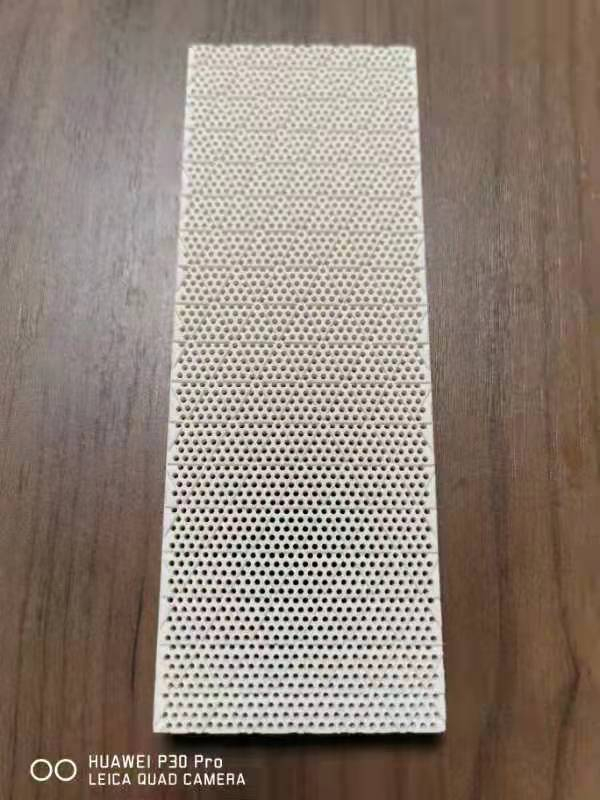
Honeycomb ceramic plates outperform traditional stove materials like cast iron or plain steel in several ways. Their unique honeycomb design offers a much larger surface area, which means heat spreads more evenly and quickly. Traditional materials tend to have uneven heat distribution, causing hot spots that can burn food or reduce cooking consistency.
The honeycomb structure also allows gases to flow with minimal resistance, improving combustion efficiency. Traditional materials often cause higher pressure drops, making stoves work harder and less efficiently. Plus, honeycomb ceramics resist thermal shock better. They handle rapid temperature changes without cracking, while metals can warp or degrade over time.
At first glance, honeycomb ceramic plates may seem more expensive than traditional materials. However, their energy efficiency and durability offer significant cost savings over time. Because they heat faster and maintain temperature better, stoves use less fuel or electricity. This reduces operating costs for commercial kitchens.
Additionally, honeycomb ceramics require less frequent replacement. Traditional materials often need repairs or swaps due to warping, corrosion, or cracking. The longer lifespan of ceramic plates means fewer interruptions and lower maintenance expenses. When considering total cost of ownership, honeycomb ceramics provide excellent value for money.
Investing in honeycomb ceramic plates brings long-term advantages beyond immediate performance improvements. Their durability reduces downtime and maintenance, which is critical in busy commercial kitchens. They also contribute to a cleaner environment by enabling more complete combustion and lowering emissions.
Over time, these plates help kitchens meet stricter environmental regulations and reduce their carbon footprint. Their resistance to corrosion and chemical damage means they stay reliable even in harsh cooking environments. This translates into consistent cooking quality, improved safety, and better return on investment. When evaluating stove materials, consider total lifecycle costs and performance gains of honeycomb ceramics over traditional metals to maximize efficiency and savings.
Proper maintenance keeps honeycomb ceramic plates working well and lasting longer. First, always allow the plates to cool down gradually after use. Sudden temperature changes can cause thermal shock, risking cracks. Clean the plates regularly to remove soot, grease, or food residues that may block airflow or reduce heat transfer. Use soft brushes or low-pressure air to avoid damaging the delicate ceramic channels. Avoid harsh chemicals or abrasive cleaners, which can erode the ceramic surface.
Inspect plates frequently for signs of wear, such as cracks or chips. Replace damaged plates promptly to maintain stove efficiency and safety. When handling plates, wear gloves to prevent oils or dirt from contaminating the ceramic surface, which can affect performance.
Honeycomb ceramic plates can face some common problems in commercial stoves. Cracking or chipping often results from rapid temperature changes or mechanical impact. To prevent this, avoid sudden heating or cooling and handle plates carefully during installation or cleaning.
Blockages inside the channels may occur due to soot buildup or grease deposits. These blockages reduce airflow and heat exchange efficiency. Regular cleaning prevents this issue. If blockages persist, consider using a mild cleaning solution designed for ceramics and rinse thoroughly afterward.
Another issue is warping caused by uneven heating or poor stove design. Ensure your stove distributes heat evenly and that plates fit securely without stress points. Warped plates should be replaced to avoid stove damage or inefficient operation.
To maximize the lifespan of honeycomb ceramic plates, follow these key tips:
Use stoves designed for honeycomb ceramics, ensuring proper fit and heat distribution.
Avoid rapid temperature fluctuations by preheating stoves gradually.
Keep plates clean and free from deposits.
Handle plates gently during installation, maintenance, and transport.
Schedule regular inspections and replace plates showing significant wear.
Store spare plates in a dry, stable environment to prevent moisture damage or accidental breakage.
By following these practices, commercial kitchens can enjoy reliable stove performance, reduced downtime, and lower replacement costs. Always allow honeycomb ceramic plates to cool gradually and clean them gently using soft brushes or low-pressure air to prevent damage and maintain optimal stove performance.
Honeycomb ceramic technology continues evolving through breakthroughs in material science. Researchers focus on developing ceramics with enhanced thermal shock resistance and higher mechanical strength. New composite materials blend cordierite, mullite, and alumina with nano-additives to improve durability and heat tolerance. These innovations help plates withstand even harsher commercial stove conditions and longer operating hours.
Another trend is optimizing the cell density (cells per square inch) to balance surface area and pressure drop. Advances in manufacturing allow precise control of channel size and wall thickness, tailoring plates for specific stove models or fuel types. This customization improves combustion efficiency and reduces emissions further.
Beyond commercial stoves, honeycomb ceramic plates find new uses in industrial heating, environmental control, and energy recovery systems. Their excellent heat exchange properties suit regenerative thermal oxidizers (RTOs) that destroy volatile organic compounds (VOCs) in industrial exhaust. Honeycomb ceramics also enhance catalytic converters and diesel particulate filters, helping reduce pollution from vehicles and factories.
In commercial kitchens, honeycomb ceramic technology may expand to infrared heating panels and flameless gas burners. These applications benefit from uniform heat distribution and energy savings. Some companies explore integrating smart sensors into ceramic plates to monitor temperature and wear in real time, enabling predictive maintenance.
As regulations tighten on emissions and energy consumption, honeycomb ceramic plates become vital for compliance and cost control. Their ability to improve fuel efficiency and reduce pollutants aligns with industry goals for sustainability. Commercial kitchen equipment manufacturers increasingly adopt honeycomb ceramics to differentiate products and meet customer demand for greener solutions.
The durability and performance consistency of these plates reduce downtime and maintenance expenses, critical in high-volume foodservice operations. As more businesses recognize these benefits, honeycomb ceramic technology will likely become standard in commercial stove design. Keep an eye on emerging ceramic composites and precision manufacturing techniques to select honeycomb plates that offer superior performance and longer service life in evolving commercial cooking environments.
Honeycomb ceramic plates are essential for high-performance commercial stoves. Their unique design maximizes heat distribution, improves energy efficiency, and enhances durability. Future advancements in material science promise even greater benefits, making them crucial for modern kitchens. As the industry moves towards sustainable practices, adopting honeycomb ceramics is vital for compliance and efficiency. ZhongHong offers exceptional honeycomb ceramic plates, providing unmatched value through innovative features and reliable performance. Embrace this technology to elevate your commercial cooking operations.
A: A Honeycomb Ceramic Plate is a structured ceramic material featuring numerous small, parallel channels, optimizing heat distribution and combustion efficiency in commercial stoves.
A: The Honeycomb Ceramic Plate enhances stove performance by maximizing surface area for heat exchange, reducing pressure drop, and increasing combustion efficiency.
A: Honeycomb Ceramic Plates offer superior thermal shock resistance, energy efficiency, and durability compared to traditional stove materials like cast iron or steel.