- All
- Product Name
- Product Keyword
- Product Model
- Product Summary
- Product Description
- Multi Field Search
Views: 0 Author: Site Editor Publish Time: 2025-10-27 Origin: Site


Are commercial stoves as efficient as they could be? Honeycomb ceramic plates might be the answer. These plates, with their unique structure, boost stove efficiency significantly. In this post, you'll learn how these plates enhance heat distribution, improve combustion, and reduce energy consumption, transforming stove performance.
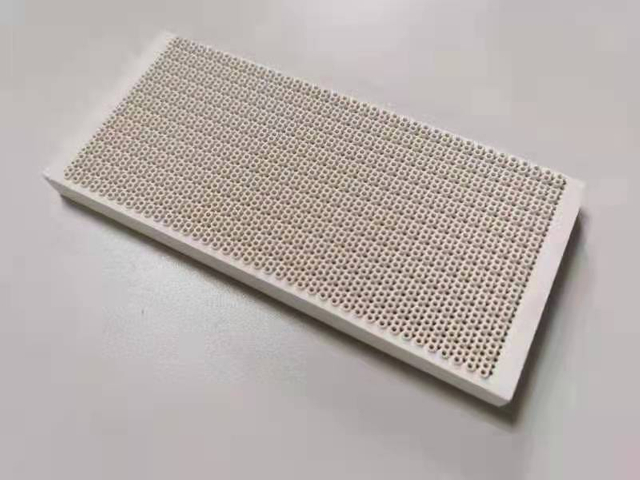
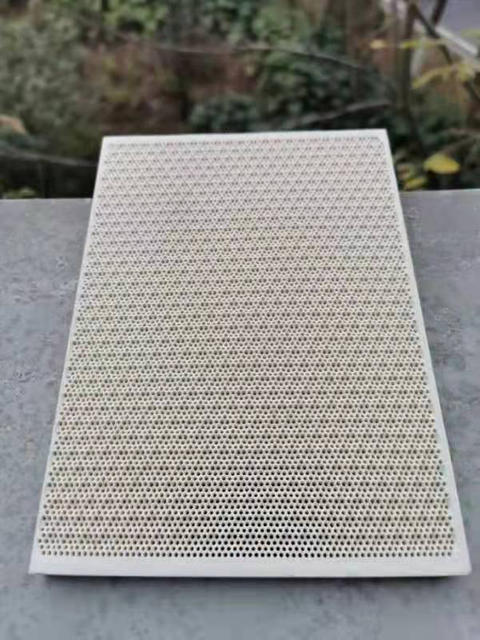
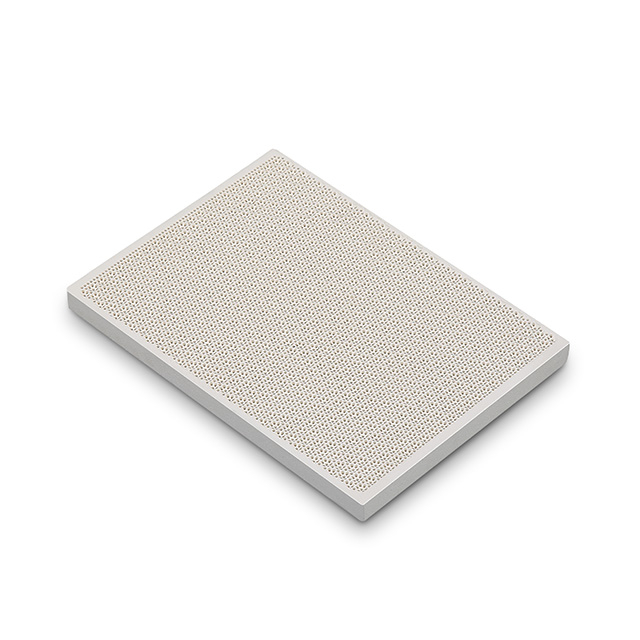
Honeycomb ceramic plates feature a unique structure made up of numerous small, interconnected cells arranged in a honeycomb pattern. This design maximizes surface area, allowing for efficient heat exchange. The plates are typically composed of cordierite, a ceramic material prized for its excellent thermal shock resistance and low thermal expansion. This means the plates can handle rapid temperature changes without cracking or warping, making them ideal for commercial stove environments where temperatures fluctuate quickly.
The honeycomb cells create multiple channels for gas and air to flow through, improving combustion and heat distribution. This structure also makes the plates lightweight yet sturdy, which benefits installation and durability.
Cordierite, the primary material, offers several advantages critical for commercial stoves:
● Thermal Shock Resistance: It withstands sudden temperature changes without damage.
● Low Thermal Expansion: Minimizes stress and deformation during heating and cooling cycles.
● High Porosity: The porous nature enhances heat retention and infrared radiation emission.
● Durability: Resistant to wear and chemical corrosion, extending service life.
These properties ensure the plates maintain performance over time, reducing maintenance needs and replacement frequency.
Compared to flat or solid ceramic plates, honeycomb ceramic plates provide several key benefits:
● Uniform Heat Distribution: The honeycomb structure spreads heat evenly across the surface, preventing hotspots that can cause uneven cooking or damage.
● Improved Combustion Efficiency: The design promotes better mixing of gas and air, leading to more complete combustion and less fuel waste.
● Energy Savings: Enhanced heat transfer reduces energy consumption by maintaining consistent temperatures with less fuel.
● Environmental Advantages: More efficient combustion lowers harmful emissions like carbon monoxide and nitrogen oxides.
● Longer Lifespan: Their robust material and structure endure harsh operating conditions better than traditional plates.
In summary, honeycomb ceramic plates combine innovative design and superior materials to deliver improved performance and efficiency in commercial stoves.
Tip: Choose cordierite-based honeycomb ceramic plates for commercial stoves to maximize heat uniformity and reduce fuel consumption, boosting both efficiency and sustainability.
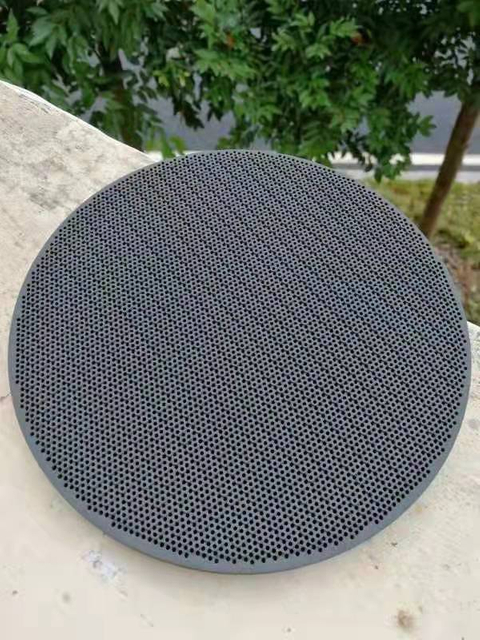
Honeycomb ceramic plates excel at distributing heat evenly across their surface, a key factor in stove efficiency. Their unique honeycomb structure channels gas and air through many small, interconnected cells. This design spreads heat uniformly, preventing hotspots that can cause uneven cooking or damage to stove components. The round shape of many plates further aids in consistent heat flow, ensuring every part of the cooking surface receives equal warmth. This uniformity improves cooking quality and reduces the risk of fuel waste caused by overheating specific areas.
The honeycomb design also plays a crucial role in improving combustion. The multiple channels facilitate thorough mixing of gas and air, which leads to more complete combustion. This means fuel burns more efficiently, producing higher heat output with less waste. The ceramic material emits infrared radiation, which enhances heat transfer to the cookware or food. Efficient combustion reduces the production of harmful gases like carbon monoxide and nitrogen oxides, making the stove more environmentally friendly. This process not only saves fuel but also lowers emissions, aligning with sustainability goals.
By promoting uniform heat and complete combustion, honeycomb ceramic plates significantly conserve energy. They reduce the amount of fuel needed to maintain consistent cooking temperatures. The plates’ high thermal retention means they hold and radiate heat longer, minimizing energy loss during operation. This energy efficiency translates to lower operational costs for commercial kitchens, which often run stoves for extended periods. Additionally, less fuel consumption means fewer greenhouse gas emissions, supporting environmental responsibility while boosting business savings.
Optimize commercial stove efficiency by selecting honeycomb ceramic plates designed for uniform heat and enhanced combustion, reducing fuel costs and emissions.
Honeycomb ceramic plates help cut down harmful emissions significantly. Their design promotes complete combustion by mixing gas and air thoroughly through the many small channels. This efficient burning process lowers the release of carbon monoxide (CO) and nitrogen oxides (NOₓ), common pollutants from stoves. By reducing these gases, the plates support cleaner air and a healthier environment, crucial for commercial kitchens operating in urban areas. This emission reduction also helps businesses meet stricter environmental regulations, avoiding fines and improving their green credentials.
Using honeycomb ceramic plates supports sustainability in several ways. First, their efficient fuel use means less natural gas or propane is burned for the same cooking output. This lower fuel consumption reduces greenhouse gas emissions, helping combat climate change. Second, the plates’ durability means fewer replacements, cutting down on waste and resource use. Third, many manufacturers now produce these plates using eco-friendly methods and recyclable materials. Together, these factors make honeycomb ceramic plates a smart choice for businesses aiming to reduce their environmental footprint.
Honeycomb ceramic plates last longer than traditional flat plates due to their strong cordierite material and shock-resistant design. They resist cracking and warping even under rapid temperature changes common in commercial stoves. This durability reduces the frequency of replacements, which lowers maintenance costs and waste generation. Fewer discarded plates mean less landfill pressure and less demand for raw materials. Over time, this contributes to a more circular economy in the commercial stove industry, benefiting both the environment and business budgets.
Choose honeycomb ceramic plates for commercial stoves to reduce harmful emissions, save fuel, and extend equipment life, boosting both sustainability and cost-effectiveness.
Honeycomb ceramic plates significantly boost cooking efficiency in commercial stoves. Their design ensures heat spreads evenly across the cooking surface, preventing hot spots that cause uneven cooking. This means food cooks faster and more consistently, saving time and fuel. The plates’ ability to retain and radiate heat also helps maintain steady temperatures, reducing the stove’s need to cycle on and off frequently. For busy kitchens, this translates into smoother operations and better quality dishes every time.
These plates suit a wide range of commercial stove types, from gas burners to infrared cookers. Their lightweight yet sturdy honeycomb structure fits well in both traditional and modern stoves. Because they promote more complete combustion, they perform well in stoves designed for natural gas, propane, or even biogas. This versatility makes them an excellent retrofit option for upgrading older stoves or a smart choice for new installations. They adapt easily to different burner sizes and shapes, providing uniform heat regardless of the stove model.
In industrial kitchens and food processing plants, honeycomb ceramic plates offer distinct advantages. Their durability handles the high demands of continuous operation, reducing downtime caused by equipment failure. The plates’ energy efficiency lowers fuel costs, which is crucial for large-scale cooking operations. Also, the reduction in harmful emissions helps industries comply with environmental regulations. Their long service life and easy maintenance further reduce operational expenses. Overall, these plates improve productivity, cost-effectiveness, and environmental responsibility in industrial cooking environments.
When upgrading commercial stoves, choose honeycomb ceramic plates to enhance cooking speed, fuel efficiency, and compatibility across various stove types, especially in high-demand industrial kitchens.
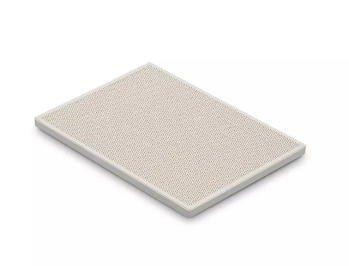
Honeycomb ceramic plates, mainly made from cordierite, can withstand extremely high temperatures—up to around 1300°C (2372°F). This makes them perfect for commercial stoves that operate under intense heat for long periods. Their excellent thermal shock resistance means they tolerate rapid temperature changes without cracking or warping. This ability prevents costly downtime and replacements in busy kitchens, ensuring reliable performance even during heavy use.
The honeycomb design creates a vast network of tiny, interconnected cells, greatly increasing the surface area. This high porosity allows better gas and air flow, promoting efficient combustion. It also enhances heat retention and infrared radiation emission, which helps transfer heat evenly to cookware. The increased surface area ensures more fuel burns cleanly, reducing waste and improving energy efficiency. This structure is lightweight yet sturdy, balancing durability with performance.
Cordierite’s chemical stability and resistance to wear make honeycomb ceramic plates highly durable. They resist corrosion and damage from kitchen chemicals and frequent cleaning. Their robust nature means fewer replacements and lower maintenance costs over time. Regular inspections and gentle cleaning keep them operating at peak efficiency. The plates’ design also minimizes soot buildup, reducing cleaning frequency. This durability is vital for commercial kitchens aiming to maintain continuous operation without unexpected failures.
Select honeycomb ceramic plates with high temperature resistance and porosity to ensure long-lasting performance and efficient heat transfer in commercial stoves.
Material science continues to push the boundaries for honeycomb ceramic plates. Researchers are developing new ceramic composites that enhance thermal conductivity and mechanical strength beyond traditional cordierite. These advanced materials improve heat transfer efficiency and resistance to wear, extending the plates’ lifespan. Innovations also focus on coatings that boost infrared radiation emission or add catalytic properties to reduce emissions further. Such improvements will make commercial stoves more efficient and environmentally friendly, meeting stricter regulations and customer demands.
Smart technology integration is transforming commercial stove operation. Sensors embedded in or near honeycomb ceramic plates can monitor temperature, combustion quality, and plate condition in real time. This data helps optimize fuel use and heat distribution, ensuring peak efficiency and safety. Automated controls can adjust gas flow or air mixing based on sensor feedback, minimizing energy waste. Additionally, predictive maintenance alerts reduce downtime by signaling when plates need cleaning or replacement. This smart approach supports cost savings and sustainability goals for busy commercial kitchens.
Customization is becoming key to maximizing honeycomb ceramic plate performance. Manufacturers now tailor plate size, cell shape, and material composition to suit particular stove models or cooking processes. For example, plates designed for high-temperature industrial ovens may prioritize thermal shock resistance, while those for fast-food kitchens focus on rapid heat-up and consistent surface temperature. Custom designs also address burner shape and fuel type, ensuring optimal combustion and heat transfer. This flexibility allows businesses to upgrade existing stoves or design new ones that meet exact efficiency and environmental targets.
Invest in honeycomb ceramic plates featuring advanced materials and smart sensors to boost stove efficiency, reduce emissions, and enable proactive maintenance in commercial kitchens.
Honeycomb ceramic plates significantly enhance efficiency in commercial stoves by ensuring uniform heat distribution and improved combustion. This leads to energy savings and reduced emissions, benefiting both the environment and operational costs. The future holds promising advancements in materials and smart technology integration, further boosting stove performance. ZhongHong offers these innovative plates, providing superior durability and sustainability for commercial kitchens. Their products are designed to meet the highest standards, ensuring long-lasting value and efficiency.
A: A Honeycomb Ceramic Plate is a stove component featuring a honeycomb structure made of cordierite, designed for efficient heat exchange and improved combustion in commercial stoves.
A: Honeycomb Ceramic Plates enhance stove efficiency by promoting uniform heat distribution and complete combustion, reducing fuel consumption and emissions.
A: Honeycomb Ceramic Plates offer better heat distribution, energy savings, and longer lifespan compared to traditional flat plates, making them ideal for commercial use.