- All
- Product Name
- Product Keyword
- Product Model
- Product Summary
- Product Description
- Multi Field Search
Views: 0 Author: Site Editor Publish Time: 2025-09-19 Origin: Site


Infrared grilling technology has revolutionized the way we cook outdoors, offering faster cooking times and enhanced flavor retention. Since the invention of the Weber grill in 1952, grilling technology has evolved significantly. Today, finding a grill that meets diverse culinary needs is easier than ever. However, infrared grills stand out due to their unique ability to reach temperatures above 1000 degrees Fahrenheit while maintaining the juiciness of the meat. For those interested in exploring the components that make this possible, the Infrared Honeycomb Ceramic Burner Plate is a key element in this technology.
This article delves into the mechanics of infrared grills, comparing them with traditional grilling methods, and exploring the benefits and types of infrared burner systems. We will also examine popular brands that have embraced this technology and provide insights into how these grills can elevate your barbecuing experience.
Infrared technology in grills operates on a principle distinct from conventional gas grills. Traditional grills use an open flame system where blue flames emerge from burner port holes, heating the air which then cooks the food through convection. In contrast, infrared grills utilize a radiant heat system that directly transfers energy to the food. This is akin to the warmth felt from the sun or a fire, where heat is transferred through radiation.
The core of this technology is the infrared element, which emits intense heat directly onto the food. This results in faster cooking times and a pronounced sear, while also ensuring even heat distribution across the grilling surface. This minimizes the risk of hot or cold spots, a common issue with traditional grills.
The primary difference between infrared and traditional grills lies in their heat transfer methods. Traditional grills rely heavily on convection, where hot air circulates to cook the food. This method can lead to uneven cooking and requires longer preheating times, typically around 15-20 minutes. Infrared grills, on the other hand, preheat in about 3 minutes, as they do not require a heat dispersion system. The heat radiates directly from the ceramic burner, providing a more efficient cooking process.
Moreover, infrared grills can achieve higher temperatures than conventional gas burners. While traditional grills can reach high temperatures, infrared burners can surpass these, reaching up to 1000 degrees Fahrenheit. This makes them ideal for searing meats and locking in juices, producing restaurant-quality results at home.
When choosing an infrared grill, understanding the types of burner systems available is crucial. There are two main types: Ceramic Burner Systems and TEC Grilling Systems, each offering unique advantages and temperature ranges.
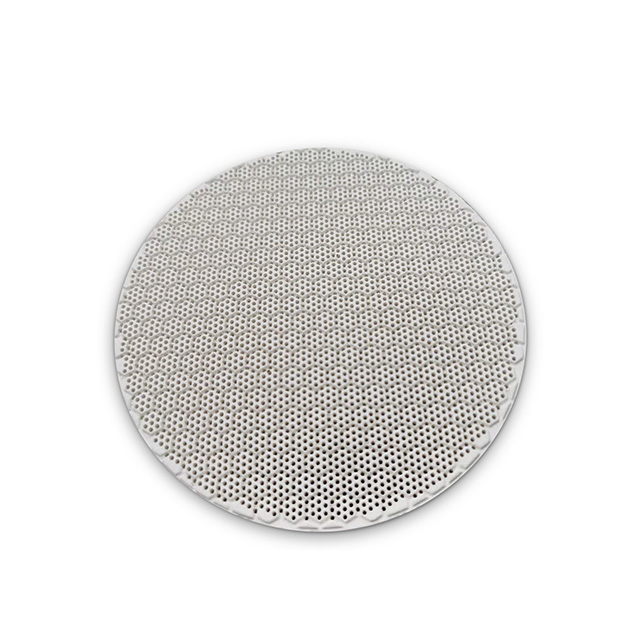
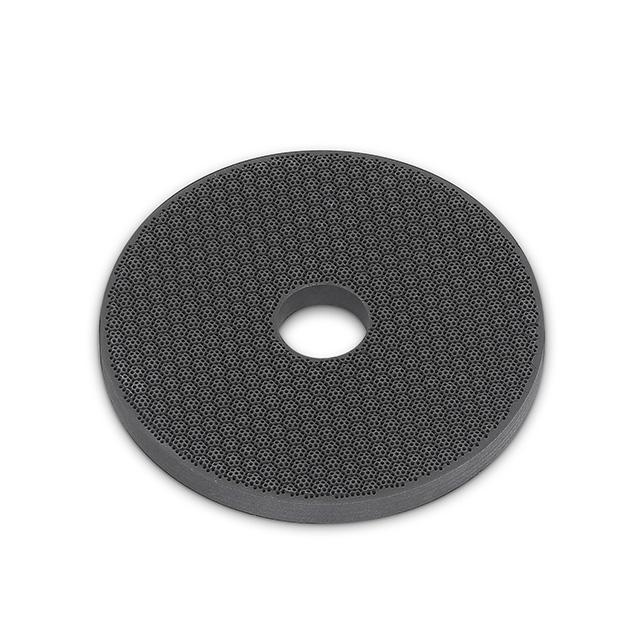
Ceramic burner systems are the most prevalent in the market. They consist of a stainless steel burner topped with a ceramic honeycombed surface, positioned a few inches below the cooking grid. This design allows the grill to reach temperatures between 600 to over 1000 degrees Fahrenheit rapidly. While excellent for high-temperature cooking and searing, these systems are less effective at maintaining lower temperatures, making them best suited for quick cooking and searing tasks.
The TEC Grilling System, pioneered by the founder of infrared grills, uses a radiant glass panel instead of ceramic. This system maintains stable heat levels and can achieve lower temperatures of around 200 degrees Fahrenheit. Although it doesn't reach the extreme highs of ceramic systems, it offers a versatile range from 200 to 900 degrees Fahrenheit, making it suitable for a variety of cooking styles.
Infrared grills offer several advantages that enhance the grilling experience. One of the most significant benefits is the fast preheating time, which can be as short as three to five minutes. This efficiency allows for quicker meal preparation and less waiting time. Additionally, infrared grills provide even heat distribution across the grilling surface, reducing the risk of cold and hot spots.
Another advantage is energy efficiency. Less heat is lost during cooking, making infrared grills more energy-efficient compared to traditional models. They also excel at retaining the meat's natural juices, resulting in more tender and flavorful dishes. The high-searing temperatures achieved by infrared grills produce restaurant-quality meats with a perfect caramelized crust.
Furthermore, infrared grills are less prone to flare-ups caused by grease and food particles. They are also impervious to wind, as the flames do not get blown around, ensuring consistent heat and cooking results.
While some grills are designed solely for infrared cooking, many models offer hybrid options that combine traditional convection grilling with an infrared burner zone. This versatility allows for a broader range of cooking techniques, from slow roasting to high-temperature searing.
If your grill does not come with an infrared option, you may be able to add an infrared burner as an accessory. Brands like Solaire, Delta Heat, Artisan, and Twin Eagles offer sear burner upgrade kits, allowing you to convert one burner to infrared for added grilling versatility. Some brands, such as Alfresco, provide an independent infrared sear station mounted on the side of the grill, enabling you to sear meats without sacrificing open flame grilling space.
Several brands have embraced infrared technology, offering high-quality grills that cater to various grilling needs. TEC, the pioneer of infrared grills, continues to lead the market with its innovative designs and high-grade materials. Their grills offer precision temperature control, self-cleaning functionality, and customizable add-ons, ensuring a superior grilling experience.
Alfresco is renowned for its premium outdoor kitchen appliances, featuring impressive elements like air-cooled control panels and the Accufire heating system. Their "Sear Zone" infrared burner is particularly popular among grilling enthusiasts.
Lynx offers a top-of-the-line infrared grilling experience with their Trident Burner, delivering 23,000 BTUs of power and a temperature range of 300 to 1000 degrees Fahrenheit. This burner is used by leading steakhouses worldwide and is now available for home use.
Solaire and Twin Eagles also offer grills with infrared burners or a combination of infrared and convection technology. They provide conversion kits, allowing you to switch between traditional and infrared grilling methods.
Infrared grilling technology has transformed outdoor cooking, offering faster cooking times, enhanced flavor retention, and energy efficiency. By understanding the mechanics of infrared grills and the types of burner systems available, you can make an informed decision when selecting a grill that suits your culinary needs. Whether you opt for a ceramic burner system or a TEC grilling system, the benefits of infrared grilling are undeniable. For those interested in exploring the components that make this possible, the Infrared Honeycomb Ceramic Burner Plate is a key element in this technology.
1. What makes infrared grills different from traditional grills?
Infrared grills use radiant heat to cook food, offering faster cooking times and even heat distribution compared to traditional grills that rely on convection.
2. Can infrared grills reach higher temperatures than traditional grills?
Yes, infrared grills can reach temperatures above 1000 degrees Fahrenheit, making them ideal for searing and locking in juices.
3. Are there different types of infrared burner systems?
Yes, the two main types are Ceramic Burner Systems and TEC Grilling Systems, each offering unique temperature ranges and cooking capabilities.
4. What are the benefits of using an infrared grill?
Infrared grills offer fast preheating times, even heat distribution, energy efficiency, and the ability to retain the meat's natural juices.
5. Can I add an infrared burner to my existing grill?
Yes, many brands offer sear burner upgrade kits, allowing you to convert one burner to infrared for added versatility.
6. Which brands are known for high-quality infrared grills?
TEC, Alfresco, Lynx, Solaire, and Twin Eagles are popular brands known for their innovative infrared grilling technology.
7. What is the role of the Infrared Honeycomb Ceramic Burner Plate in infrared grills?
The Infrared Honeycomb Ceramic Burner Plate is a key component that helps achieve the high temperatures and even heat distribution characteristic of infrared grills.