- All
- Product Name
- Product Keyword
- Product Model
- Product Summary
- Product Description
- Multi Field Search
Views: 0 Author: Site Editor Publish Time: 2026-03-09 Origin: Site


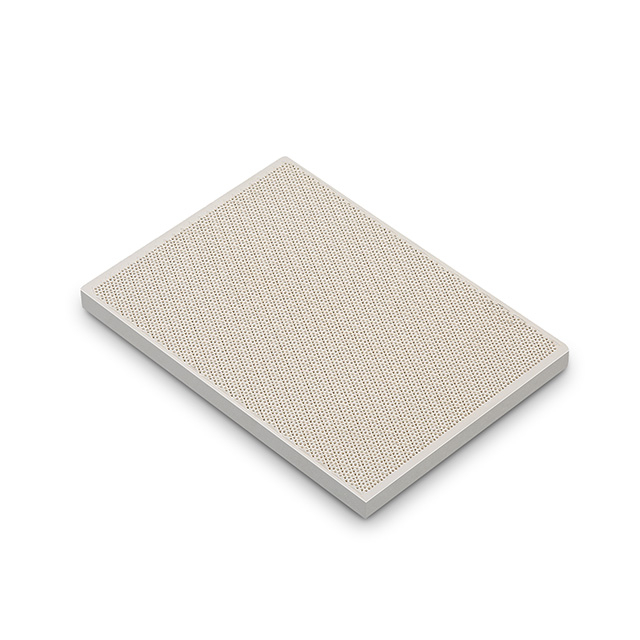
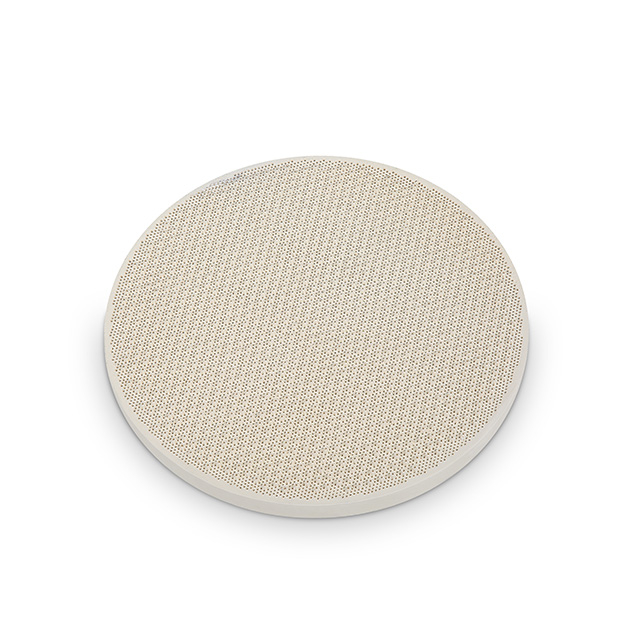
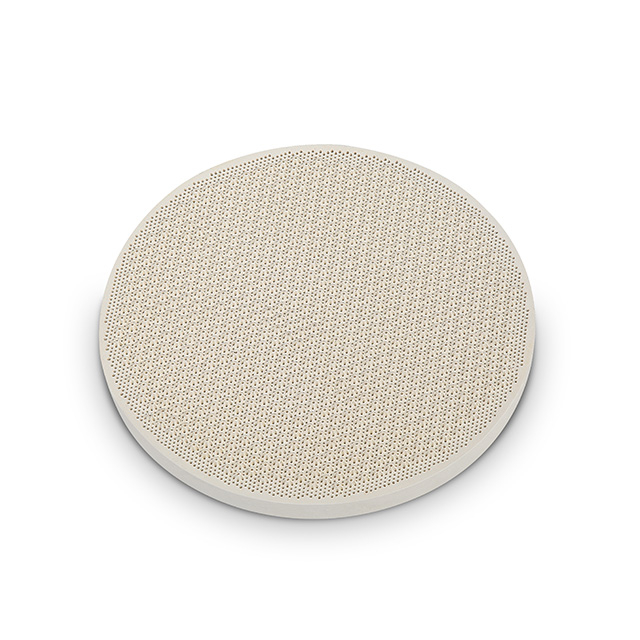
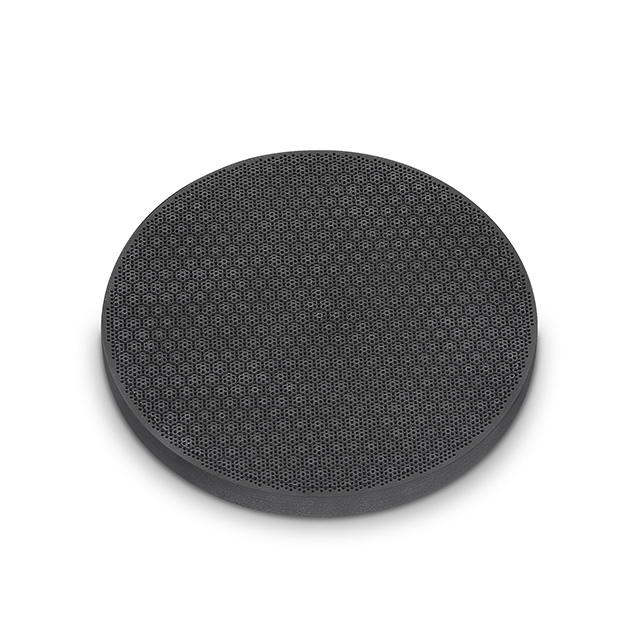
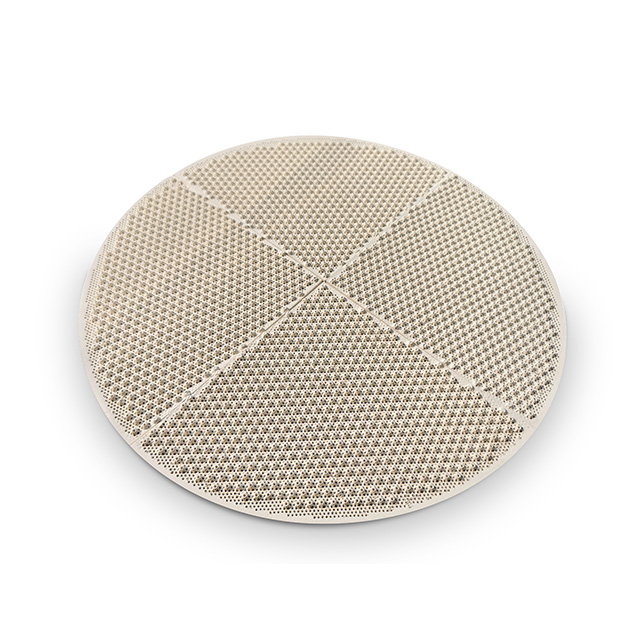
Ceramic plates for heaters are essential components used in various heating appliances. These plates are made of durable, heat-resistant materials and are often preferred due to their efficiency in converting electrical energy into heat. Whether used in home heating systems, industrial applications, or commercial stoves, the lifespan of ceramic plates depends on various factors such as frequency of use, maintenance, and exposure to temperature fluctuations.
In this article, we will explore the factors that influence the lifespan of ceramic plates for heaters, provide tips on how to extend their life, and answer some frequently asked questions about these products.
The durability and longevity of ceramic plates in heaters are impacted by several key factors. Understanding these factors can help you extend the life of your ceramic plates and maintain their performance over time.
One of the most significant factors influencing the lifespan of ceramic plates is how often the heater is used. The more frequently the heater is operated, the more stress is placed on the ceramic plate, which can lead to wear and tear over time. For example, ceramic plates used in commercial heaters or industrial settings that run continuously or under heavy load will generally wear out faster than those used in home heaters that are only turned on periodically.
Usage Type | Lifespan | Impact on Ceramic Plate |
Heavy Use (24/7) | 1-3 years | High wear, more likely to crack or degrade due to constant heating. |
Moderate Use (Daily) | 3-5 years | Normal wear, but still lasts a good period with proper maintenance. |
Light Use (Occasional) | 5+ years | Longer lifespan due to less frequent exposure to high heat. |
Temperature fluctuations are another crucial factor that can affect the longevity of ceramic plates. Ceramic materials are prone to thermal stress when exposed to sudden changes in temperature. If a ceramic plate experiences frequent heating and cooling cycles, it may develop cracks or chips over time. This is especially true for ceramic plates used in appliances with high-temperature settings or those in industrial environments where rapid temperature changes are common.
For example, when ceramic plates are rapidly heated to high temperatures and then suddenly exposed to cooler air, the material expands and contracts, which can weaken the structure and reduce its lifespan.
Proper maintenance is essential for extending the life of ceramic plates. Regular cleaning and inspection can help prevent damage and ensure that the heater operates efficiently. Additionally, checking for cracks, chips, or any debris buildup that could cause overheating is essential. Improper care, such as using abrasive cleaning materials or exposing the ceramic plates to excessive moisture, can shorten their lifespan significantly.
Maintenance Tip | Importance |
Regular Cleaning | Removes dust and dirt, preventing overheating and ensuring efficient heat distribution. |
Avoid Abrasive Materials | Abrasive tools can scratch the surface, which may cause heat retention problems. |
Inspect for Cracks and Chips | Early detection of cracks ensures that the heater functions safely and extends the plate’s life. |
Ensure Proper Ventilation | Keeping the heater well-ventilated prevents excessive heat buildup, prolonging the ceramic plate's life. |
Even with regular maintenance, ceramic plates will eventually show signs of wear and may need to be replaced. Identifying these signs early can prevent further damage to the heating unit and ensure safe operation.
Cracks and Chips: Ceramic plates are vulnerable to cracks, especially after years of use or exposure to rapid temperature changes. Even small cracks can cause the plate to become inefficient or unsafe to use.
Uneven Heating: If the ceramic plate begins to heat unevenly, this could indicate that it has lost its ability to distribute heat effectively. This could result from internal damage or a buildup of debris on the surface.
Discoloration: Discoloration can occur from prolonged heat exposure. While it doesn’t necessarily mean the plate is damaged, extreme discoloration can sometimes indicate that the ceramic plate is overheating, which may reduce its overall lifespan.
Sign of Damage | Possible Cause | Recommended Action |
Cracks or Chips | Thermal shock, physical impact, or extended wear. | Replace the ceramic plate. |
Uneven Heating | Build-up of debris, internal fractures, or material degradation. | Clean thoroughly, check for cracks. |
Discoloration | Prolonged exposure to high temperatures or lack of ventilation. | Inspect for overheating, replace if necessary. |
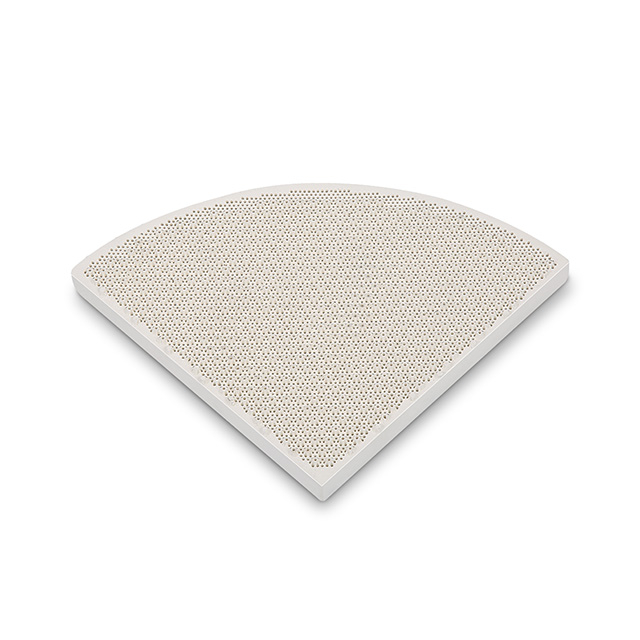
To maximize the lifespan of ceramic plates, it is essential to follow some basic practices that protect the material from damage and ensure the heater operates efficiently.
Ensuring that the ceramic plate is correctly installed is crucial for its longevity. The plate should be installed according to the manufacturer’s guidelines, and it should be placed on a stable, non-flammable surface. Additionally, ensure there are no obstructions that could impede airflow or cause excessive heat buildup.
Regularly cleaning the ceramic plate can help extend its life by removing dust and debris that could obstruct heat transfer. Be sure to follow the manufacturer’s instructions for cleaning materials and methods. Routine inspections should be performed to check for cracks or chips, which could compromise the safety and efficiency of the plate.
Ceramic plates should be gradually heated and allowed to cool slowly. Rapid temperature changes can cause cracks and chips in the material. Avoid exposing the ceramic plate to cold air or water while it is still hot.
Ceramic plates for heaters typically have a lifespan of 3 to 5 years, but this can vary depending on several factors. The frequency of use, the intensity of heat exposure, and the level of maintenance all influence how long the ceramic plate will last. Heavy usage or improper maintenance, such as not cleaning the plate regularly or exposing it to rapid temperature changes, can significantly shorten its lifespan. To maximize its life, proper care and periodic inspections are essential.
Yes, ceramic plates are vulnerable to cracking if exposed to extreme temperature fluctuations. Rapid heating and cooling, known as thermal shock, can cause cracks in the ceramic material. This happens because the plate expands when heated and contracts when cooled, which may lead to structural damage. It's crucial to gradually heat up the ceramic plate and allow it to cool down slowly to prevent thermal shock and maintain its integrity.
You can tell if your ceramic plate needs to be replaced by looking for signs of visible damage or reduced performance. Common indicators include cracks, chips, or uneven heating. Cracks and chips can occur due to repeated thermal stress, while uneven heating often suggests that the plate is no longer able to distribute heat efficiently. Discoloration from prolonged high-temperature exposure can also be a warning sign that the ceramic plate is nearing the end of its lifespan. If you notice any of these issues, it's best to replace the ceramic plate to ensure safe and effective operation.
To ensure your ceramic plate lasts as long as possible, regular maintenance is key. Some of the best practices for maintaining ceramic plates include:
Regular cleaning: Wipe down the surface regularly to remove dust, debris, and food residue that could affect performance.
Avoid abrasive cleaning materials: Using harsh chemicals or abrasive scrubbing tools can scratch or damage the ceramic surface. Use a soft cloth or sponge instead.
Inspect for cracks: Periodically check the ceramic plate for any visible damage. If you find cracks or chips, it’s best to replace the plate to prevent further damage.
Ensure proper ventilation: Make sure that the heater has enough airflow around it, and avoid placing objects that could block ventilation. Good airflow helps prevent the plate from overheating and extends its life.
The lifespan of ceramic plates for heaters can vary significantly depending on several important factors, including the frequency of use, the extent of temperature fluctuations, and the level of maintenance provided. On average, ceramic plates typically last between 3 to 5 years when used under normal conditions. However, if the plates are regularly exposed to heavy use or extreme temperature changes, their lifespan may be shorter. That being said, with proper care, ceramic plates can last much longer, sometimes even beyond 5 years, ensuring the heater continues to function optimally.
To maximize the longevity of your ceramic plates, it is crucial to follow a routine of regular maintenance, ensure proper installation, and practice careful usage. Regular cleaning, inspection for cracks, and avoiding sudden temperature changes are key steps in preventing damage and ensuring that the heater operates safely and efficiently.
By understanding the various factors that influence the lifespan of ceramic plates and implementing the tips provided, you can ensure that your heater remains a reliable and energy-efficient tool for years to come. Taking proactive measures to care for your ceramic plates will not only extend their life but also improve the overall performance of your heating system, providing consistent warmth while reducing energy consumption.