- All
- Product Name
- Product Keyword
- Product Model
- Product Summary
- Product Description
- Multi Field Search
Views: 0 Author: Site Editor Publish Time: 2025-10-24 Origin: Site


Imagine a heater that's more efficient and eco-friendly. Honeycomb Ceramic Plate are revolutionizing modern heating systems. These plates enhance energy efficiency and reduce harmful emissions. In this post, you'll learn about their composition, benefits, and diverse applications in heating technology.
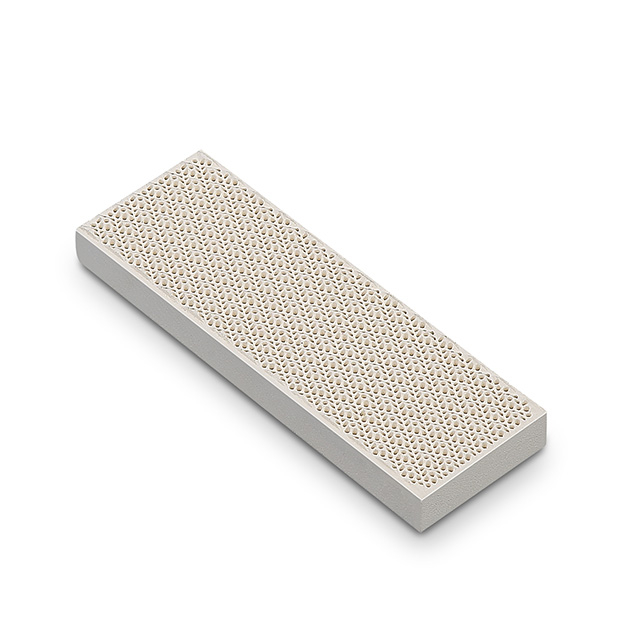
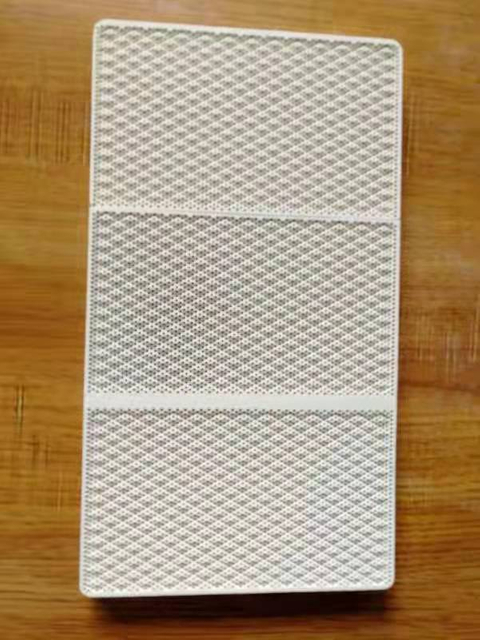
Honeycomb ceramic plates mainly consist of high-purity cordierite, a ceramic material known for its excellent thermal properties. Some variations include composite substrates like cordierite-mullite or cordierite-aluminum titanate, enhancing durability and heat resistance. The honeycomb design features a grid of tiny, uniform holes—often hexagonal or square—arranged in a structured pattern. This layout maximizes surface area and allows gas to flow evenly through the plate.
The plate’s porosity ranges between 50% and 60%, which helps in controlling airflow and combustion. Density typically sits around 1.2 g/cm³, while the coefficient of thermal expansion is low (around 3.5×10⁻⁶), meaning the plate resists cracking under temperature changes. These properties make it ideal for intense heating environments.
Honeycomb ceramic plates act as radiant burners. When gas mixed with air passes through the tiny holes, it ignites within the honeycomb structure, producing a flameless, uniform combustion. Instead of a visible flame, the plate heats up and emits infrared radiation. This radiant heat penetrates objects more effectively than conventional convection or flame heating.
The design ensures complete gas combustion, reducing harmful emissions like carbon monoxide (CO) and nitrogen oxides (NOx) by over 70%. The infrared radiation generated heats objects evenly, improving energy efficiency by 30% to 50% compared to traditional heating elements.
The honeycomb structure also offers excellent thermal shock resistance. It can withstand rapid temperature changes without cracking. Mechanical strength is high, preventing damage during installation or operation. This durability ensures a long service life even under heavy use.
In summary, the combination of advanced ceramic materials and the honeycomb design enables efficient, clean, and uniform heat generation. This makes honeycomb ceramic plates a crucial component in modern heaters, especially gas-fired infrared systems.
Precision in hole size and pattern directly impacts combustion efficiency and heat uniformity, so choosing the right honeycomb ceramic plate design is vital for optimal heater performance.
Honeycomb ceramic plates in modern heaters offer remarkable energy efficiency and environmental advantages that set them apart from traditional heating elements.
One of the most significant benefits is their ability to cut energy use by 30% to 50%. This efficiency comes from the unique honeycomb structure that maximizes the surface area for combustion. Gas-air mixtures pass through the tiny holes, igniting uniformly and flamelessly. Because the combustion is more complete, less fuel is wasted. The plate emits far-infrared radiation, which heats objects directly rather than just warming the air. This direct heat transfer reduces energy loss and speeds up heating times.
For example, in industrial ovens or gas heaters, switching to honeycomb ceramic plates can halve fuel consumption compared to conventional burners. This translates into substantial cost savings and less frequent fuel refills.
Honeycomb ceramic plates also help reduce the emission of harmful gases like carbon monoxide (CO) and nitrogen oxides (NOx). Their flameless combustion process ensures more thorough burning of fuel, which lowers incomplete combustion products. Studies show emission reductions of over 70%, and in some cases, up to 90%, compared to traditional gas-fired stoves.
This cleaner combustion means heaters using honeycomb plates produce less air pollution and meet stricter environmental regulations. The reduction in toxic gases also improves indoor air quality, making these heaters safer for homes and workplaces.
● Lower Noise Levels: Flameless burning means quieter operation, reducing noise pollution.
● Reduced Carbon Footprint: Using less fuel and emitting fewer pollutants helps combat climate change.
● Longer Equipment Life: Efficient combustion reduces soot and carbon buildup, decreasing maintenance needs and waste.
Benefit | Impact |
Energy Savings | 30-50% reduction in fuel consumption |
Emission Reduction | 70-90% decrease in CO and NOx emissions |
Noise Levels | Lower noise due to flameless operation |
Environmental Compliance | Meets stricter air quality standards |
In summary, honeycomb ceramic plates make heaters more energy-efficient and environmentally friendly. They save fuel, cut harmful emissions, and operate quietly. These advantages make them an excellent choice for modern heating systems aiming for sustainability and cost savings.
To maximize energy savings, select honeycomb ceramic plates with precise hole sizes and patterns tailored to your heater’s gas flow and combustion requirements.
Honeycomb ceramic plates excel in durability and safety, making them ideal for modern heaters operating under tough conditions.
One of the key strengths of honeycomb ceramic plates is their outstanding resistance to thermal shock. They can handle rapid temperature changes—from cold to very hot—without cracking or breaking. This resilience comes from the special ceramic materials used, such as cordierite and composite substrates, which have low thermal expansion coefficients. For example, these plates can withstand multiple cycles of heating to over 800°C and sudden cooling without damage.
Mechanical shock resistance is another important feature. The honeycomb structure provides strong support, helping the plate endure impacts during installation or operation. This toughness reduces the risk of damage from vibrations or accidental knocks, ensuring a longer service life.
Honeycomb ceramic plates also offer excellent safety in windy environments. Unlike open flame burners, these plates burn gas flamelessly, producing infrared radiation instead of visible flames. This flameless combustion greatly reduces the risk of flame blowout caused by strong winds, making them safer for outdoor heaters or portable gas appliances.
The sturdy honeycomb design acts as a protective barrier, preventing gas leaks and ensuring stable combustion even when exposed to gusts. This feature is especially valuable for outdoor heating systems, gas barbecues, and other applications where wind can affect performance and safety.
● High Heat Resistance: Plates can operate continuously at temperatures up to 1200°C without deforming.
● Corrosion and Chemical Resistance: Ceramic materials resist acids, alkalis, and organic solvents, extending durability.
● Uniform Heat Distribution: The honeycomb pattern avoids hot spots that might cause localized damage.
● Low Maintenance: Their robust nature means fewer replacements and repairs over time.
Feature | Benefit |
Thermal Shock Resistance | Withstands rapid heating and cooling |
Mechanical Shock Resistance | Durable against impacts and vibrations |
Flameless Combustion | Safe operation in windy or outdoor areas |
High Temperature Tolerance | Long-lasting even in extreme heat |
In conclusion, honeycomb ceramic plates combine material strength and design innovation to deliver heaters that are both durable and safe. Their ability to resist thermal and mechanical stresses, along with stable flameless combustion, ensures reliable performance in a variety of environments.
When selecting honeycomb ceramic plates for heaters used outdoors or in industrial settings, prioritize those with proven thermal shock resistance and flameless combustion features to enhance safety and longevity.
Honeycomb ceramic plates are widely used across many heating systems due to their efficiency, durability, and clean combustion. Their unique design and material properties make them ideal for both industrial and household applications.
In gas heaters, honeycomb ceramic plates serve as radiant burners. Gas mixed with air flows through the tiny holes in the honeycomb structure, igniting without a visible flame. This flameless combustion produces infrared radiation, which heats objects directly and evenly. This method is more efficient than traditional flame heating, reducing fuel consumption by up to 50%.
Gas ovens also benefit from these plates. The uniform heat distribution improves cooking quality, prevents hot spots, and speeds up heating times. For example, in commercial pizza ovens or industrial baking ovens, honeycomb ceramic plates ensure consistent baking results while saving energy.
Portable gas heaters and outdoor heating devices use these plates too. Their resistance to wind and thermal shock makes them safer and more reliable in outdoor conditions. Since the combustion is flameless, the risk of flame blowout in windy environments decreases significantly.
Industrially, honeycomb ceramic plates are found in baking equipment, drying ovens, and other thermal processing units. Their ability to withstand high temperatures and chemical exposure suits harsh industrial environments. They also help reduce emissions, meeting strict environmental standards.
In households, these plates appear in gas water heaters, space heaters, and cooking appliances like grills and stoves. Their energy-saving benefits translate into lower utility bills and a smaller carbon footprint for consumers.
Some typical applications include:
● Barbecue grills and rotisserie ovens: Provide even, radiant heat without flare-ups.
● Food processing lines: Enhance drying and baking efficiency.
● Gas water heaters: Improve heat transfer, reducing fuel use.
● Space heaters: Offer safe, flameless heating indoors or outdoors.
● Industrial drying and baking ovens: Ensure uniform heat and reduce emissions.
The versatility of honeycomb ceramic plates stems from their customizable sizes, hole patterns, and materials. Manufacturers tailor these plates to specific heating needs, optimizing performance for each application.
When selecting honeycomb ceramic plates for your heating system, consider the hole size and pattern that best match your gas flow and combustion requirements to maximize efficiency and safety.
Honeycomb ceramic plates offer several advantages compared to traditional electrical heating elements and common gas-fired stoves. Unlike electric heaters that rely on resistive heating, honeycomb plates use flameless combustion to generate far-infrared radiation. This method heats objects directly rather than warming the air, resulting in faster and more uniform heat distribution.
Common gas-fired stoves burn fuel with an open flame, which often leads to incomplete combustion and uneven heating. In contrast, honeycomb ceramic plates ignite gas-air mixtures within their tiny pores, producing uniform, flameless combustion. This reduces harmful emissions like carbon monoxide (CO) and nitrogen oxides (NOx) by up to 90%. The flameless design also lowers noise levels and eliminates flame flickering, improving user comfort and safety.
Moreover, honeycomb plates resist thermal shock better than metal heating elements, which can warp or crack under rapid temperature changes. The ceramic material withstands high temperatures up to 1200°C without degrading, ensuring longer service life and fewer replacements.
From a cost perspective, honeycomb ceramic plates can save 30% to 50% on energy consumption compared to traditional heating elements. Their efficient combustion means less fuel is wasted, lowering operating costs significantly. For example, industrial ovens equipped with honeycomb plates often see fuel savings that offset the initial investment within months.
Performance-wise, these plates provide consistent radiant heat, avoiding hot spots common in electric coils or open flame burners. This uniform heating improves cooking quality, drying efficiency, and process control in industrial applications. Additionally, the ceramic’s durability reduces maintenance frequency and downtime, further enhancing cost savings.
Feature | Honeycomb Ceramic Plates | Traditional Electric/Gas Elements |
Energy Efficiency | 30-50% energy savings | Lower efficiency, higher energy use |
Emissions | Up to 90% reduction in CO and NOx | Higher emissions due to incomplete combustion |
Heat Distribution | Uniform far-infrared radiation | Uneven heat, hot spots possible |
Durability | High thermal shock resistance | Prone to warping and cracking |
Noise Levels | Low noise, flameless operation | Flame noise or electric coil buzzing |
Maintenance | Low maintenance, long lifespan | Frequent repairs and replacements |
Honeycomb ceramic plates also outperform common gas stoves in safety. Their flameless combustion reduces risks of flame blowout, especially outdoors or in windy conditions. The sturdy ceramic structure prevents gas leaks and withstands mechanical shocks better than fragile metal parts.
In summary, honeycomb ceramic plates combine energy savings, environmental benefits, durability, and safety. These advantages make them a superior choice over traditional electrical and gas-fired heating elements for modern heating systems.
When upgrading heating systems, consider replacing traditional burners with honeycomb ceramic plates to improve energy efficiency, reduce emissions, and lower maintenance costs.
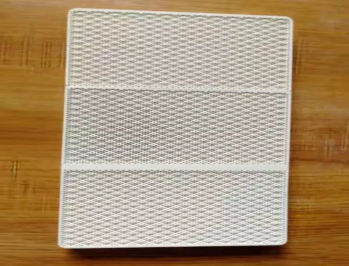
Honeycomb ceramic plates offer straightforward installation. Their lightweight yet sturdy design allows quick fitting into various heater models without special tools. Most plates come in standard sizes and hole patterns, making replacements hassle-free. Because the ceramic is rigid and resistant to mechanical shock, handling during installation rarely causes damage.
Maintenance is also simple. The flameless combustion reduces soot and carbon buildup, so cleaning intervals lengthen compared to traditional burners. Usually, a periodic visual inspection and gentle wiping suffice to keep the plates in optimal condition. For industrial setups, occasional air or gas flushing can prevent clogging of the honeycomb holes.
If a plate becomes damaged or worn, replacing it is easy. The modular nature of honeycomb plates means you can swap out just the affected section without dismantling the entire heater. This modularity reduces downtime and maintenance costs.
Honeycomb ceramic plates are designed for long service life. Their thermal shock resistance and chemical stability help them endure thousands of heating cycles. Typically, they last several years under normal operating conditions, sometimes even longer in well-maintained systems.
To maximize longevity:
● Avoid sudden temperature changes during startup and shutdown.
● Ensure proper gas-air mixture to prevent incomplete combustion that could cause deposits.
● Keep the plates free from physical impacts or vibration damage.
● Use plates suited to your heater’s gas flow and temperature range.
When replacement is necessary, choose plates from reputable manufacturers that meet your heater’s specifications. Custom sizes and hole patterns are available to match unique applications. Installing the correct plate ensures consistent performance and prevents premature wear.
Maintenance Aspect | Recommendation |
Cleaning | Periodic wiping; air/gas flushing if needed |
Inspection | Visual check for cracks or clogging |
Handling | Avoid mechanical shocks during installation |
Replacement | Use correct size and pattern plates |
In summary, honeycomb ceramic plates are low-maintenance and user-friendly. Their durability and ease of replacement contribute to cost savings and reliable heater operation.
Always match honeycomb ceramic plates to your heater’s specifications and follow gentle installation practices to extend plate life and maintain peak efficiency.
Honeycomb ceramic plates enhance heaters by improving energy efficiency, reducing emissions, and ensuring durability and safety. Their flameless combustion and uniform heat distribution offer cleaner and more cost-effective heating solutions. As heating technology advances, honeycomb ceramic plates are poised to play a crucial role in sustainable energy systems. ZhongHong's innovative products provide significant value, combining advanced ceramic materials with precise designs to optimize heater performance and longevity.
A: A Honeycomb Ceramic Plate is a structured ceramic component made from materials like cordierite, featuring a grid of tiny holes that maximize surface area for efficient gas combustion in heaters.
A: Honeycomb Ceramic Plates enable flameless combustion by allowing gas-air mixtures to ignite within their structure, producing infrared radiation for efficient, uniform heat distribution.
A: Honeycomb Ceramic Plates are favored for their energy efficiency, reducing fuel consumption by 30-50%, and their ability to lower harmful emissions like CO and NOx by up to 90%.
A: Honeycomb Ceramic Plates outperform traditional elements by offering better energy savings, lower emissions, and superior durability, making them ideal for modern heating systems.
A: To maintain Honeycomb Ceramic Plates, perform periodic visual inspections, gentle cleaning, and ensure proper gas-air mixture to prevent clogging and prolong their lifespan.