- All
- Product Name
- Product Keyword
- Product Model
- Product Summary
- Product Description
- Multi Field Search
Views: 0 Author: Site Editor Publish Time: 2026-03-09 Origin: Site


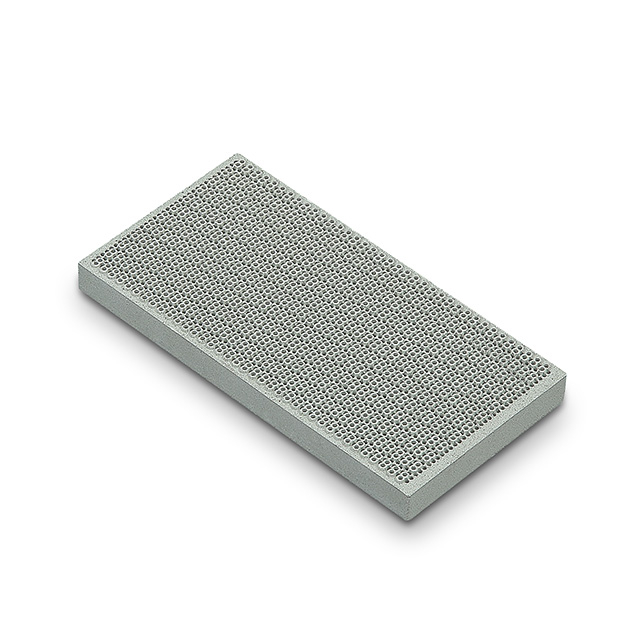
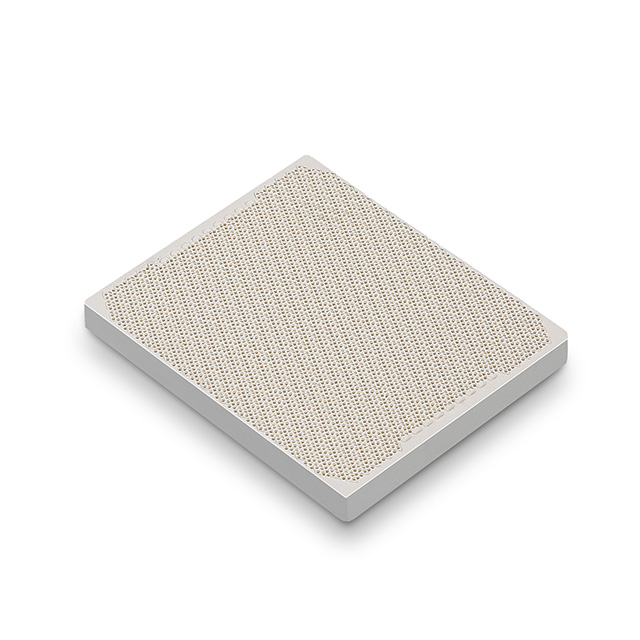
Ceramic heater plates are heating elements made from high-temperature ceramic materials that efficiently convert electrical energy into heat. These plates utilize technologies such as positive temperature coefficient (PTC) or resistive heating, making them more energy-efficient compared to traditional metal coil heating elements. Ceramic heater plates are known for their ability to deliver stable, consistent heat while offering superior durability and longevity.
In both residential and industrial settings, ceramic heater plates are widely used. In homes, they are commonly found in space heaters, electric fireplaces, and other heating appliances, offering a safer and more energy-efficient heating option. In industrial applications, these plates are used in furnaces, dryers, and ovens where high temperatures are required, benefiting from their rapid heating capabilities and long-lasting performance. Their popularity continues to grow as more people seek reliable and environmentally friendly heating solutions.
Ceramic heater plates emit infrared radiation, which directly heats objects and people in the room, bypassing the need to warm the surrounding air. This method provides more efficient and targeted heating, as the warmth is absorbed directly by solid objects rather than heating the air first. Infrared heating creates a comfortable environment by delivering even, consistent warmth, similar to the natural heat of the sun.
PTC technology is a self-regulating feature found in many ceramic heater plates. As the temperature of the plate rises, the ceramic material increases its electrical resistance. This causes the heater to reduce its heat output automatically once it reaches a certain temperature, preventing overheating and reducing energy consumption. This built-in safety feature helps maintain optimal temperature levels, providing safer and more energy-efficient operation.
In resistive heating, the ceramic plate contains resistive elements that generate heat when electrical current passes through them. These elements heat up due to electrical resistance, and the generated heat is either radiated into the air or transferred to the surrounding environment. This is a straightforward and effective method for heating, commonly used in ceramic heater plates due to its simplicity and reliability.
Ceramic heater plates are more efficient than traditional metal heating elements. Their ability to produce infrared radiation means that heat is directed precisely where it's needed, reducing heat loss and minimizing energy wastage. This results in more effective heating with less energy consumed.
One of the major benefits of ceramic heater plates is their safety. Unlike metal coils, which can become dangerously hot, ceramic plates are designed to prevent overheating. The PTC technology automatically regulates the temperature, significantly reducing the risk of burns or fire hazards.
Ceramic materials used in heater plates are highly durable and resistant to thermal shock. Unlike metal coils, which can deteriorate over time from constant heating and cooling, ceramic heater plates maintain their performance and efficiency for a much longer period. This durability makes ceramic heaters a more reliable long-term solution.
Ceramic heater plates provide more uniform heat distribution compared to metal heating elements. The heat is more evenly spread across the room or area, resulting in a more comfortable and consistent indoor climate. This is particularly beneficial for spaces where consistent and even heating is important.
Ceramic heater plates come with essential safety mechanisms like overheat protection, which shuts off the heater if it exceeds a safe temperature. Many also feature automatic shut-off, which activates if the plate malfunctions or is tipped over. These features reduce the risk of overheating, fire, and accidents, making them especially safe for homes with children or pets.
Ceramic materials are safer than metal coils because they operate at lower temperatures, reducing burn and fire risks. Ceramic plates also resist thermal shock, unlike metal coils that can warp or degrade, which may lead to electrical failures. Additionally, ceramic plates emit infrared radiation, which heats objects directly, lowering the surface temperature and making the heater safer to touch.
Ceramic heater plates are often certified by organizations like Underwriters Laboratories (UL) and CE, ensuring they meet safety and performance standards. These certifications confirm that the products are tested for electrical safety, durability, and energy efficiency, providing consumers with confidence in their safe use.
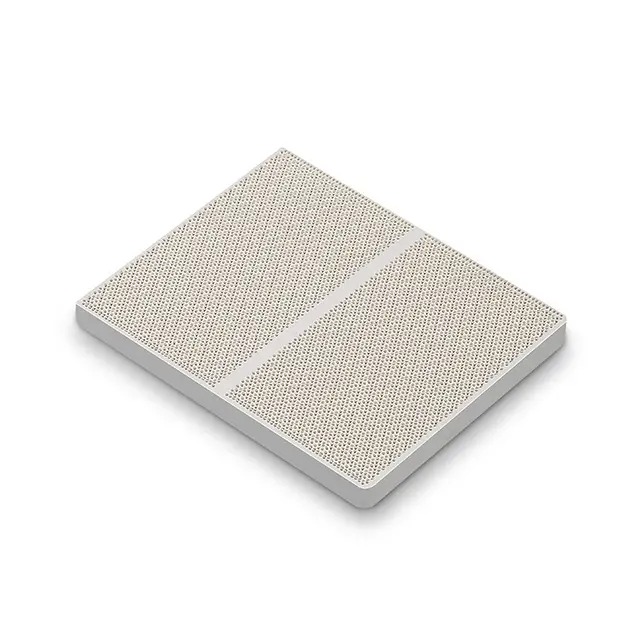
While ceramic heater plates are generally safer than traditional metal coils, improper usage can still lead to risks. Burns can occur if the plate is touched while hot, especially if safety features like automatic shut-off or overheat protection are not functioning correctly. Fire hazards may arise if the heater is placed too close to flammable materials or if it overheats due to a malfunction or obstruction. Always ensure the heater is used according to the manufacturer's guidelines to minimize these risks.
To reduce the risks associated with ceramic heater plates, proper installation is crucial. Ensure that the heater is placed on a stable, non-flammable surface and that it is not obstructed by objects. Regular maintenance is also important—check for damage, dirt buildup, or faulty components that could lead to overheating. Additionally, supervision is key, particularly in environments with children or pets, as ceramic heater plates can still cause harm if left unattended.
To ensure the safe use of ceramic heater plates, follow these guidelines:
Proper Handling: Always allow the ceramic plate to cool down before touching it or moving it. Use gloves if necessary to avoid burns.
Avoid Overheating: Ensure that the plate is set to an appropriate temperature and that it is not left running for extended periods. Pay attention to any warning signs such as unusual heat or odors.
Maintain Distance from Flammable Materials: Keep the ceramic heater plate away from curtains, papers, or other combustible items. Always place the heater on a non-flammable, stable surface.
Regular inspections and maintenance are key to ensuring long-term safety:
Check for Damage: Periodically inspect the ceramic plate for cracks, chips, or any signs of wear. Replace any damaged parts immediately.
Clean the Plate: Dust and dirt can accumulate on the surface, reducing efficiency and potentially causing overheating. Clean the plate according to the manufacturer’s instructions.
Ensure Proper Ventilation: Keep the area around the ceramic plate well-ventilated to avoid heat buildup, especially in confined spaces.
Ceramic heater plates are designed with several built-in safety features, including overheat protection that automatically shuts off the device if it gets too hot. They also include an automatic shut-off feature in case of malfunction or if the heater is tipped over. Additionally, the materials used in ceramic plates are heat-resistant, which helps reduce the risk of burns or fires and ensures safe operation during extended use.
Although ceramic heater plates are generally safer than traditional metal coils, they can still pose risks if misused. Improper handling, such as touching the plate when it is too hot, can result in burns. Additionally, if the plate is left running for too long without proper ventilation, or placed too close to flammable objects, fire hazards can occur. Always follow the manufacturer's usage instructions to minimize these risks and ensure safe operation.
For safe installation, follow the manufacturer’s guidelines carefully. Make sure the ceramic heater plate is placed on a stable, flat, non-flammable surface to avoid accidental tipping or overheating. Ensure there are no objects obstructing the plate or its airflow, as this could cause the heater to overheat. Keep the heater away from curtains, papers, and other flammable materials to minimize fire risks. Proper installation plays a crucial role in preventing accidents.
It is important to conduct regular inspections of your ceramic heater plate to ensure its safe operation. Check the plate for any cracks, chips, or visible damage to the surface, as these could affect its performance or safety. Also, ensure that the heating elements are working properly and that there is no excessive buildup of dust or debris. If any parts are damaged, they should be replaced immediately to prevent malfunction or safety hazards. Regular maintenance ensures your heater continues to operate efficiently and safely.
Overall, ceramic heater plates are generally safe when used correctly. They are designed with built-in safety features such as overheat protection and automatic shut-off, which significantly reduce the risk of burns, fires, and other hazards. Compared to traditional metal coils, ceramic materials are safer, offering more stable and efficient heating with a lower risk of surface temperature extremes. However, to ensure their safety, it is crucial to follow the manufacturer’s safety guidelines, including proper installation, handling, and regular maintenance. By adhering to these safety practices, ceramic heater plates provide a reliable, energy-efficient, and safe heating solution for both residential and industrial use.