- All
- Product Name
- Product Keyword
- Product Model
- Product Summary
- Product Description
- Multi Field Search
Views: 0 Author: Site Editor Publish Time: 2025-12-10 Origin: Site


Are ceramic plates truly fireproof? This question often comes up, given their widespread use in kitchens worldwide. While known for their durability and aesthetic appeal, it's important to understand how well ceramic plates can withstand heat.
In this guide, we'll explore the heat resistance of ceramic plates, factors affecting their fireproof properties, and how to safely use them in ovens and microwaves.
Ceramic plates are well-known for their durability and aesthetic qualities, but how well do they resist heat? The heat resistance of ceramic plates is influenced by several factors, including the materials used in their production, the firing process, and the glaze applied to them.
Ceramic plates are primarily made from a combination of kaolin, feldspar, and quartz. These raw materials play crucial roles in the plate's strength and heat resistance. Kaolin provides the necessary stability, while feldspar and quartz contribute to the plate's ability to withstand high temperatures. The combination of these materials helps make ceramic plates durable and suitable for various heat-based applications.
Raw Material | Function | Contribution to Heat Resistance |
Kaolin | Stability | Improves strength and structure |
Feldspar | Durability | Enhances heat resistance |
Quartz | Hardness | Adds mechanical strength |
The manufacturing process of ceramic plates involves firing them at high temperatures, often between 1200°C and 1350°C. This high-temperature firing strengthens the structure and enhances the plate's ability to tolerate heat without cracking or warping. The heat helps bond the materials together, forming a dense, durable structure that can resist thermal shock and withstand significant heat. Without this crucial step, the plate would lack the necessary heat resistance and could easily be damaged in high-heat environments like ovens and microwaves.
Glaze is not only added to improve the appearance of ceramic plates but also plays a significant role in their heat resistance. The glaze acts as a protective layer, providing an extra shield against heat and thermal shock. It helps seal the surface of the plate, making it less porous and more resistant to temperature fluctuations. Additionally, glazes can help prevent the plate from absorbing moisture, which could cause it to crack under heat. However, it's important to note that not all glazes are created equal. Some decorative glazes may not be suitable for high-temperature applications, so it's always best to check the manufacturer's guidelines before use.
These factors combined make ceramic plates highly heat-resistant. However, proper care is essential to ensure their longevity and safety when exposed to high temperatures. By understanding how materials, manufacturing processes, and glazes contribute to heat resistance, we can make informed decisions on how to use ceramic plates safely in everyday cooking and dining.
Ceramic plates come in various types, each with different heat-resistant properties. The material and firing process play a significant role in determining how well they can withstand heat. Below, we will discuss the heat resistance of four common types of ceramic plates: porcelain, stoneware, bone china, and earthenware.
Porcelain plates are fired at the highest temperatures, typically between 1250°C and 1350°C. This high firing process makes porcelain dense and durable, allowing it to withstand both high-heat applications like oven use and microwave heating. The result is a plate that can endure the stress of extreme temperatures without cracking or warping. Because of its high density, porcelain is ideal for everyday use in both home and commercial kitchens. However, like all ceramic materials, porcelain plates should not experience sudden temperature changes, such as moving directly from the freezer to a hot oven, to prevent cracking.
Type | Firing Temperature Range | Heat Resistance | Microwave Safe | Oven Safe | Notes |
Porcelain | 1250–1350°C | High | Yes | Yes | Avoid sudden temperature changes |
Stoneware is fired at slightly lower temperatures, typically between 1180°C and 1250°C. While not as dense as porcelain, stoneware has excellent heat retention properties. These plates can handle moderate heat well, making them suitable for oven use at temperatures up to 200°C. Stoneware also retains heat longer, which can keep food warm for a longer time. However, it is important to avoid rapid temperature changes, such as moving a hot stoneware plate directly from an oven into a cold environment, as this can lead to cracking.
Type | Firing Temperature Range | Heat Resistance | Microwave Safe | Oven Safe | Notes |
Stoneware | 1180–1250°C | Good | Yes | Yes | Avoid sudden temperature changes |
Bone china is a fine, translucent type of ceramic made from a mixture of bone ash, clay, and feldspar. While bone china is known for its elegant appearance and good heat resistance, it is less durable than porcelain and stoneware. Bone china plates should not be used in high-heat applications like ovens or microwaves if they have metallic decorations. These decorations can heat up unevenly and cause damage to both the plate and the microwave or oven. If you have plain bone china plates, they are generally safe for microwave use, but always check for any metallic accents before using them in the microwave.
Type | Firing Temperature Range | Heat Resistance | Microwave Safe | Oven Safe | Notes |
Bone China | 1150–1250°C | Moderate | Not always | Not always | Avoid metallic decorations |
Earthenware plates are made from a type of clay fired at a relatively low temperature, typically between 1000°C and 1100°C. Because of the lower firing temperature, earthenware is more porous and less durable compared to other ceramics. As a result, earthenware plates are more susceptible to thermal shock and should not be used in high-heat environments like ovens or microwaves. These plates are better suited for serving or decorative purposes rather than cooking. If used for cooking, care should be taken to avoid rapid temperature changes to prevent cracking or breaking.
Type | Firing Temperature Range | Heat Resistance | Microwave Safe | Oven Safe | Notes |
Earthenware | 1000–1100°C | Low | No | No | Not suitable for high-heat applications |
Each type of ceramic plate has its strengths and limitations when it comes to heat resistance. Porcelain and stoneware are the best choices for high-heat applications, while bone china and earthenware are better for more delicate use. Always check the manufacturer's guidelines for specific heat tolerance and care instructions to ensure the longevity and safety of your ceramic plates.
Ceramic plates are known for their ability to withstand high temperatures, but their true heat resistance depends on various factors. While ceramics can handle heat well, there are certain conditions under which they may crack or break. Understanding these factors is crucial for safe use, especially when it comes to rapid temperature changes, such as moving a plate from a hot oven to a cold surface.
Thermal shock resistance is a critical property for ceramic plates. While ceramics can endure high temperatures, sudden changes in temperature can cause them to crack or even shatter. For example, transferring a ceramic plate directly from a hot oven to a cold countertop can create stress in the material, leading to cracks. To avoid thermal shock, it’s important to allow ceramic plates to cool gradually and never expose them to extreme temperature fluctuations. Proper care in handling can prevent these sudden temperature transitions and ensure the longevity of the plates.
While most ceramic plates are designed to withstand temperatures up to 200°C, the exact safe temperature range can vary based on the type of ceramic. Porcelain and stoneware plates are generally safe in the oven at temperatures up to 200°C or higher, but it's essential to check the manufacturer’s guidelines. Bone china, on the other hand, may have more restrictions, especially if it has metallic decorations. Earthenware plates, due to their porous nature, typically cannot handle high temperatures and should be used with caution in heat-based applications.
One of the biggest risks to ceramic plates is rapid temperature change, also known as thermal shock. This occurs when a ceramic plate is exposed to extreme heat or cold too quickly, causing the material to expand or contract unevenly. For instance, placing a cold ceramic plate into a preheated oven or microwave can result in cracks due to the sudden shift in temperature. Similarly, removing a hot plate from the oven and placing it on a cold surface can cause the plate to crack. To prevent thermal shock, always allow ceramic plates to come to room temperature before exposing them to heat, and avoid moving them between extreme temperatures.
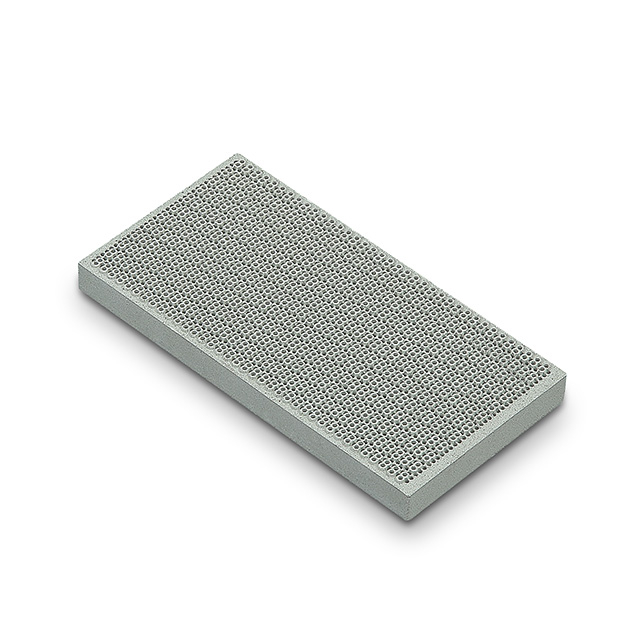
Ceramic plates are durable and heat-resistant, but like any cookware, proper care is essential to ensure they maintain their integrity and withstand high temperatures over time. Whether you're using them in the oven or microwave, or simply cleaning them after use, following a few key guidelines will help prolong their lifespan and preserve their heat-resistant qualities.
Before using a ceramic plate in the oven, it is crucial to ensure that the plate is oven-safe. Not all ceramic plates are suitable for high-heat applications. Check the manufacturer’s guidelines to verify that the plate can handle temperatures typical for oven use, which generally range up to 200°C for most ceramic types. Pay attention to any decorative elements, such as metallic rims or paint, which may not withstand high heat and could result in damage to the plate or even the oven.
Ceramic Plate Type | Oven-Safe Temperature | Notes |
Porcelain | Up to 250°C | Avoid sudden temperature changes |
Stoneware | Up to 200°C | Great for slow, even heating |
Bone China | Up to 150°C | Avoid metallic accents in the oven |
Earthenware | Up to 150°C | Not suitable for high-heat use |
Most ceramic plates are microwave-safe, but certain types require caution. Plates with metallic decorations, such as gold or silver rims, should never be used in the microwave, as they can cause sparks. Additionally, ceramic plates with porous glazes may absorb moisture, potentially leading to overheating or cracking in the microwave. Always check the manufacturer's instructions to ensure that your ceramic plate is safe for microwave use. When microwaving, avoid using plates that have been subjected to significant temperature changes, as they are more likely to crack under microwave heat.
Regular cleaning is key to maintaining the integrity of ceramic plates and their heat resistance. After each use, clean the plates with mild dish soap and warm water. Avoid using abrasive cleaners or scouring pads, as these can scratch the glaze and weaken the plate's resistance to heat. It's also essential to avoid using metal utensils on ceramic plates, as they can cause surface damage. Over time, this wear and tear could compromise the glaze, leading to reduced heat resistance. For best results, use plastic, wood, or silicone utensils to preserve the plate’s surface.
By following these guidelines, you can ensure that your ceramic plates remain durable and heat-resistant, allowing you to use them safely in various high-heat applications. Proper care and regular maintenance will keep your ceramic dinnerware in excellent condition, preserving both its functionality and aesthetic appeal.
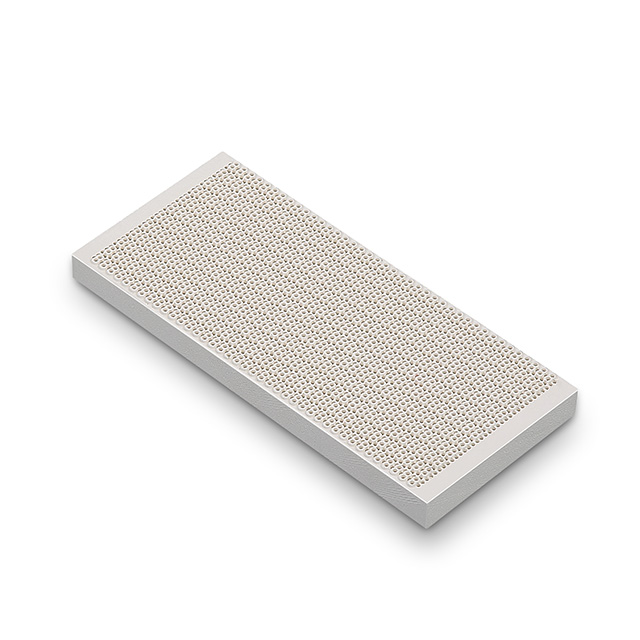
To ensure ceramic plates are safe for use in high-heat applications, manufacturers conduct various tests to evaluate their heat resistance. These tests help verify that the plates can withstand both everyday cooking temperatures and extreme conditions without cracking or warping. Understanding the types of heat resistance tests and how quality assurance is implemented can provide consumers with confidence in the safety and durability of their ceramic dinnerware.
Manufacturers perform several heat resistance tests to ensure the safety and reliability of ceramic plates under heat exposure. Two common tests include:
1. Thermal Shock Test: This test involves rapidly exposing ceramic plates to extreme temperature changes to simulate real-world conditions, such as transferring a plate from the oven to the countertop. The goal is to check whether the plate can endure these changes without cracking or breaking. If the plate withstands these tests, it proves its resistance to thermal shock.
2. Microwave Test: Since ceramic plates are commonly used in microwaves, manufacturers also conduct tests to ensure they don’t overheat, crack, or cause any hazards when exposed to microwave radiation. The test helps determine if the ceramic plate can safely handle the microwave environment without compromising its structural integrity.
Test Type | Purpose | What It Checks |
Thermal Shock | Simulates rapid temperature changes | Resistance to cracking from temperature shifts |
Microwave Test | Evaluates microwave safety | No overheating, warping, or cracks |
Reputable ceramic plate manufacturers follow strict quality assurance procedures to ensure their products meet international safety and heat resistance standards. These manufacturers often work with regulatory bodies to certify that their products are safe for use in various heat-based applications, such as ovens and microwaves. By adhering to global safety guidelines, they ensure the plates can withstand the heat exposure they’re subjected to in everyday use.
In addition to thermal shock and microwave testing, quality assurance often includes checks for the material's durability and the plate’s ability to retain heat over time. Plates that pass these tests are generally labeled as oven-safe or microwave-safe, which provides assurance to consumers. Choosing ceramic plates from trusted manufacturers ensures that the product has been rigorously tested and meets all necessary safety and performance standards.
Through these extensive testing protocols, manufacturers can guarantee that their ceramic plates are durable, heat-resistant, and safe for everyday use in high-heat environments. Quality assurance not only protects consumers but also ensures that ceramic plates maintain their aesthetic appeal and functionality over time.
Ceramic plates are heat-resistant, but their ability to withstand fire and extreme heat depends on the material and manufacturing process. By understanding the factors affecting heat resistance and following usage guidelines, you can ensure their longevity and safety. Always refer to the manufacturer's instructions to maximize performance. Zhong Hong offers ceramic plates tested for high heat exposure, ensuring quality and reliability for long-lasting use.
A: Ceramic plates are heat-resistant but not entirely fireproof. Their ability to withstand extreme heat depends on the material and firing process.
A: Yes, most ceramic plates are oven-safe up to 200°C. Always check the manufacturer's guidelines to ensure they can handle high temperatures.
A: To avoid thermal shock, do not place a hot ceramic plate on a cold surface or move it directly from the freezer to the oven. Let it adjust to room temperature.
A: Most ceramic plates are microwave-safe, but avoid those with metallic decorations, as they can cause sparks and damage the plate.