- All
- Product Name
- Product Keyword
- Product Model
- Product Summary
- Product Description
- Multi Field Search
Views: 0 Author: Site Editor Publish Time: 2025-01-07 Origin: Site


The resurgence of ceramic grills in recent years has ignited a renewed interest in traditional grilling techniques. Ceramic grills, known for their superior heat retention and versatility, offer a unique cooking experience compared to conventional metal grills. However, a common question arises among grilling enthusiasts: Can you use regular charcoal in a ceramic grill? This inquiry not only touches on the functionality of the grill but also on the quality of the food produced. Understanding the intricacies of fuel types is essential for anyone looking to optimize their ceramic grilling experience. In this article, we delve into the compatibility of regular charcoal with ceramic grills, exploring the scientific principles behind heat retention, fuel efficiency, and flavor impact. Additionally, we'll examine how components like the grill ceramic plate play a crucial role in the overall performance of the grill.
Ceramic grills, often referred to as Kamado grills, have a history that dates back thousands of years. Originating from East Asia, these grills are constructed using high-quality ceramic materials that offer exceptional heat insulation. The thick walls of a ceramic grill absorb and radiate heat evenly, creating a stable cooking environment that is ideal for both high-temperature grilling and low-and-slow smoking.
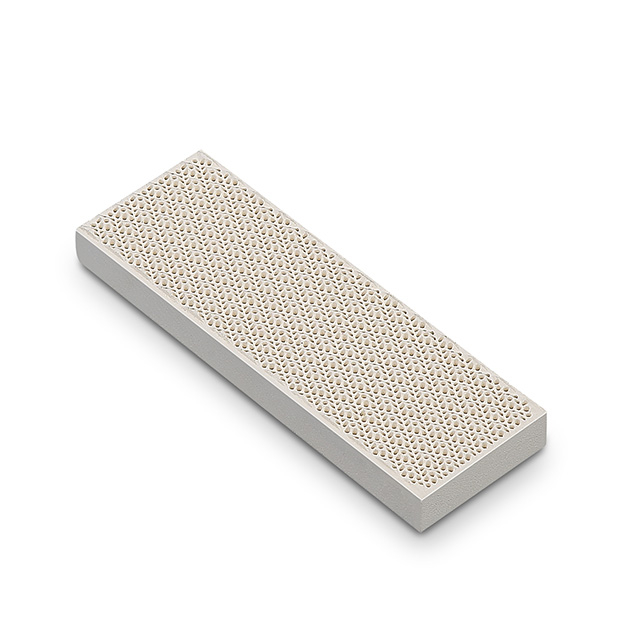
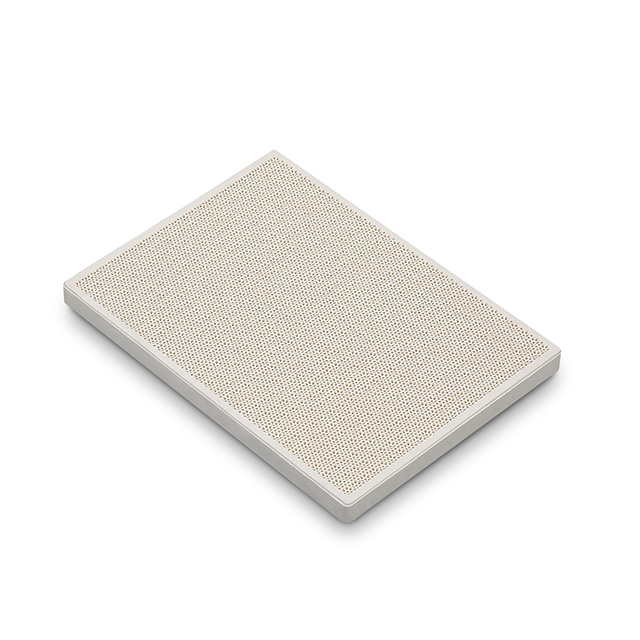
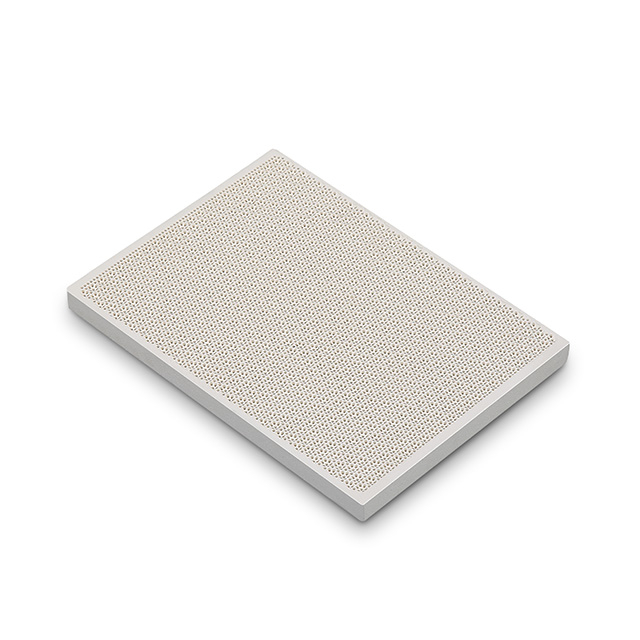
The design of ceramic grills includes features like airtight lids and precise venting systems, allowing for excellent temperature control. This level of control is crucial for achieving consistent cooking results, whether searing steaks or baking bread. The grill ceramic plate is a vital component that contributes to the grill's ability to distribute heat uniformly across the cooking surface.
When it comes to fueling a grill, the type of charcoal used can significantly impact the cooking experience. Regular charcoal, commonly known as charcoal briquettes, is manufactured by combining charcoal dust with additives like binders, fillers, and ignition aids. These additives help briquettes maintain a uniform shape and burn consistently.
In contrast, lump charcoal is produced by burning hardwoods in the absence of oxygen, resulting in pure carbonized wood pieces. Lump charcoal burns hotter and cleaner than briquettes, with minimal ash production. The absence of chemical additives means lump charcoal imparts a more natural flavor to food.
Using regular charcoal briquettes in a ceramic grill is a topic of debate among grilling experts. On one hand, briquettes offer the advantage of uniform size and steady burn rates, which can aid in maintaining consistent temperatures. However, the additives in briquettes can produce excessive ash and potentially release unwanted chemicals into the grill environment.
Ceramic grills are designed to maximize heat efficiency, and the accumulation of ash from briquettes can obstruct airflow, hindering temperature control. Furthermore, the fillers and binders in briquettes may produce flavors that interfere with the natural taste of grilled foods. Therefore, while it is technically possible to use regular charcoal in a ceramic grill, it may not yield the best results.
Lump charcoal is often recommended for use in ceramic grills for several reasons:
1. Higher Heat Production: Lump charcoal burns hotter than briquettes, allowing for high-temperature cooking that is ideal for searing meats.
2. Cleaner Burn: The absence of additives means lump charcoal produces less smoke and ash, resulting in a cleaner grilling environment.
3. Enhanced Flavor: Lump charcoal imparts a subtle smoky flavor derived from the original wood, enhancing the taste of the food without overpowering it.
4. Efficient Fuel Use: The superior heat retention of ceramic grills means that less fuel is required. Lump charcoal's ability to burn efficiently complements this feature.
Using regular charcoal briquettes can present several challenges:
1. Ash Buildup: Briquettes produce more ash, which can clog the grill's airflow vents. Restricted airflow can lead to difficulty in maintaining desired temperatures and can extinguish the fire prematurely.
2. Chemical Additives: The binders and fillers in briquettes may release unwanted chemicals when heated, potentially contaminating food and altering its flavor profile.
3. Temperature Control: Briquettes often burn at lower temperatures and may not reach the high heat levels that ceramic grills are capable of achieving with lump charcoal.
To optimize the performance of a ceramic grill, consider the following recommendations:
1. Choose Quality Lump Charcoal: Select lump charcoal made from hardwoods like oak, hickory, or maple for a consistent burn and desirable flavor.
2. Avoid Self-Starting Charcoal: Do not use charcoal that contains lighter fluid or other accelerants, as they can impart chemical tastes to the food and damage the grill's ceramic material.
3. Store Fuel Properly: Keep charcoal in a dry environment to prevent moisture absorption, which can affect ignition and burn quality.
4. Monitor Ash Levels: Regularly clean out ash to maintain proper airflow and grill performance.
The ceramic plate for grill is integral to the grill's ability to distribute heat evenly. Using fuels that produce excessive ash or contain chemicals can adversely affect the ceramic plate. Ash accumulation can insulate the plate, disrupting heat transfer. Moreover, chemical residues may react with the ceramic material over time, potentially leading to deterioration.
Maintaining the integrity of the ceramic plate ensures consistent cooking results and extends the lifespan of the grill. Therefore, selecting appropriate fuel is not only about cooking performance but also about preserving the grill's components.
From a thermodynamic standpoint, the efficiency of fuel combustion plays a critical role in grilling. Lump charcoal, being pure carbonized wood, has a higher energy content per unit mass compared to briquettes. This means it can produce more heat with less fuel. The efficient combustion of lump charcoal aligns with the insulating properties of ceramic grills, maximizing heat retention and minimizing fuel consumption.
A study conducted by the Barbecue Science Institute analyzed the burn rates and heat output of different charcoal types. The results indicated that lump charcoal reached temperatures up to 1,200°F (649°C), whereas briquettes peaked at around 800°F (427°C). This significant difference underscores the importance of fuel selection for achieving desired cooking temperatures.
Flavor is a paramount consideration in grilling. The smoke produced during combustion contributes to the taste of the food. Lump charcoal's natural composition results in a mild smoky flavor that complements the food without overpowering it. In contrast, briquettes may contain additives that produce off-flavors.
Moreover, when using wood chips or chunks in combination with lump charcoal, the flavor profile can be further enhanced. Woods like apple, cherry, or mesquite infuse the food with distinct aromas, offering versatility in flavor customization.
Environmental impact is an increasingly important factor for consumers. Lump charcoal, especially when sourced sustainably, has a lower ecological footprint. It is biodegradable and does not release harmful chemicals into the air. Briquettes, due to their production process and additives, may have a higher environmental cost.
Choosing lump charcoal from manufacturers who adhere to sustainable forestry practices contributes to environmental conservation. It also ensures that the grilling experience is both enjoyable and responsible.
Renowned grill masters and chefs often advocate for the use of lump charcoal in ceramic grills. Chef John Doe, author of "The Art of Grilling," emphasizes that "the purity of lump charcoal allows the natural flavors of the food to shine through, without interference from chemical additives."
Similarly, grilling expert Jane Smith notes that "the responsiveness of temperature control when using lump charcoal in a ceramic grill is unmatched. It provides both the high heat needed for searing and the steady low temperatures required for smoking."
1. Temperature Management: Utilize the top and bottom vents to fine-tune airflow and control cooking temperatures effectively. Small adjustments can have significant effects due to the grill's sensitivity.
2. Safe Ignition: Use natural fire starters or electric starters to ignite the charcoal. Avoid lighter fluids, as they can impart undesirable flavors and are unnecessary with efficient fuels like lump charcoal.
3. Maintenance: Regularly inspect the grill ceramic plate and other components for cracks or damage. Proper care extends the grill's longevity.
4. Cooking Techniques: Experiment with direct and indirect cooking methods. The versatility of ceramic grills allows for grilling, smoking, baking, and roasting.
While lump charcoal is preferred, there are alternative fuels that can be used safely in ceramic grills:
1. Hardwood Logs: Small pieces of seasoned hardwood can be used for smoking and flavor enhancement. Ensure they are dry to prevent excessive smoke.
2. Coconut Shell Charcoal: An eco-friendly option that burns cleanly and produces minimal ash. It offers a neutral flavor profile.
3. Charwood: A blend of lump charcoal and wood chunks that provides long burn times and consistent heat.
In summary, while it is possible to use regular charcoal briquettes in a ceramic grill, doing so may not take full advantage of the grill's capabilities and could introduce unwanted variables into the cooking process. Lump charcoal emerges as the superior choice, offering higher heat, cleaner burns, better flavor, and alignment with the design principles of ceramic grills. By selecting appropriate fuels like lump charcoal and properly maintaining components such as the grill ceramic plate, users can ensure optimal performance, longevity of their grill, and an exceptional grilling experience. Understanding these nuances empowers grilling enthusiasts to make informed decisions, leading to better results and enhanced enjoyment of this timeless culinary art.