- All
- Product Name
- Product Keyword
- Product Model
- Product Summary
- Product Description
- Multi Field Search
Views: 0 Author: Site Editor Publish Time: 2025-12-09 Origin: Site


Ceramic plates are becoming a popular choice for cookware in the oven, offering both style and functionality. But is it safe to use them in an electric oven? Many people are unsure about the heat resistance of ceramic materials. In this post, we’ll explore which ceramic plates are oven-safe, how to use them correctly, and the precautions you need to take.
Ceramic materials like stoneware, porcelain, and high-fired ceramics are typically safe for use in an electric oven. These materials are fired at very high temperatures, allowing them to endure the heat of a conventional oven. Stoneware, for example, is fired at temperatures above 1200°C, which makes it highly resistant to heat stress. Porcelain, known for its smooth, glassy finish, is also made from fine clay that is fired at very high temperatures, making it durable and capable of handling oven temperatures.
High-fired ceramics are dense and non-porous, meaning they retain heat evenly, making them ideal for cooking or baking. They are able to withstand the typical temperature ranges in an oven (around 200°C/400°F) without cracking or breaking. This high resistance to heat is a direct result of the firing process, which strengthens the ceramic and ensures it can handle temperature fluctuations inside the oven.
Not all ceramics are fit for oven use. Materials such as earthenware, terracotta, and low-fired ceramics should be used with caution. These ceramics are fired at lower temperatures, making them more porous and less durable when exposed to high heat. The porous nature of earthenware and terracotta means they can absorb moisture, which can cause them to crack when exposed to heat.
When moisture becomes trapped inside these materials, it expands during the heating process, which can lead to cracking or even breaking of the ceramic. Terracotta, for example, requires special care if used in the oven and is often recommended to be soaked in water beforehand to prevent cracks. Therefore, it’s crucial to avoid using these materials for baking or cooking in an oven unless specified by the manufacturer.
To ensure the safety of your ceramic plate in an oven, it’s important to look for specific markings. Many manufacturers label their ceramic dishes with an "oven-safe" symbol, usually located on the bottom of the plate. This marking indicates that the item has been tested and can safely withstand oven temperatures.
If you are uncertain, it's best to consult the manufacturer's instructions or label for further guidance. They typically provide the maximum temperature limit and specific care instructions. Avoid using ceramics with decorative elements like metallic paints or adhesive designs, as these may not be heat-resistant and could release harmful chemicals when exposed to high temperatures.
Ceramic Type | Oven Safe? | Key Notes |
Stoneware | Yes | High heat resistance, ideal for baking. |
Porcelain | Yes | Durable, non-porous, smooth finish. |
High-Fired Clay | Yes | Strong and heat-resistant. |
Earthenware | No | Low heat resistance, may crack due to porosity. |
Terracotta | No | Porous and requires extra care, like soaking. |
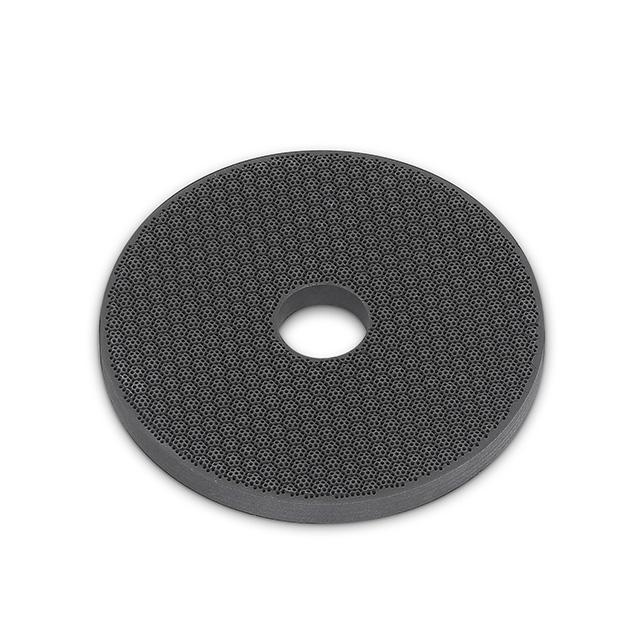
Ceramic plates are generally designed to handle temperatures up to 200°C (400°F) or higher. These materials are fired at much higher temperatures during production, making them capable of withstanding heat in your oven. Most ceramic cookware, such as baking dishes, ramekins, and pie plates, are built to endure these typical oven temperatures without any issues.
In fact, many ceramic plates are safe for temperatures beyond the 200°C mark, especially if they are specifically labeled as oven-safe. Porcelain and stoneware are especially resistant, as they are fired at temperatures exceeding 1200°C in production. These high temperatures make the ceramics dense and less prone to heat damage, allowing them to maintain their shape and performance in your oven.
While ceramics are made to endure heat, there are risks when their temperature limits are exceeded. Going beyond the recommended temperature for a ceramic plate can lead to cracks, warping, or even breaking. The risk is higher in ceramics like earthenware or terracotta, which are fired at lower temperatures and are more porous.
Ceramics such as stoneware and porcelain have been fired at high temperatures, making them much more stable. However, even these materials can suffer if exposed to sudden extreme heat. For example, some ceramic plates are not designed to withstand direct exposure to heat sources like broilers or stovetops. To ensure longevity and avoid damage, always check the manufacturer’s instructions to know the maximum temperature your ceramic can safely handle.
Thermal shock occurs when a ceramic plate experiences rapid and extreme temperature changes. This can happen if a cold ceramic plate is placed in a hot oven or, conversely, if a hot plate is moved to a cold environment like the refrigerator. The sudden change in temperature causes the ceramic to expand or contract too quickly, resulting in cracks or breakage.
To prevent thermal shock, it’s important to gradually warm up your ceramic plates. One simple tip is to preheat your ceramic plate along with your oven. Avoid placing a frozen ceramic plate directly into a hot oven, and don’t place a recently heated plate in cold water. These precautions will help maintain the integrity of the ceramic and prolong its lifespan.
When ceramic plates develop cracks or chips, they become more vulnerable to damage when exposed to high temperatures. Cracks can create small openings that allow moisture to enter the ceramic material. During the heating process, this trapped moisture expands, which can cause further cracking or even breakage.
The problem becomes particularly significant when a cracked ceramic plate is placed in the oven. As the plate heats up, it can expand unevenly around the crack, putting additional stress on the material. This uneven expansion may worsen the crack, eventually leading to complete failure of the plate. For this reason, it's important to inspect your ceramic dishes carefully before using them in an oven, as even small cracks can compromise their integrity when exposed to heat.
Whether or not a cracked ceramic plate should be thrown away depends on the size and location of the crack. Small, hairline cracks may not pose an immediate risk if the plate is used cautiously. However, plates with large or deep cracks, especially those that go all the way through, should be replaced. These types of cracks create significant weak spots, making the plate more likely to break under high temperatures.
When deciding whether to continue using a cracked ceramic plate, consider the following:
● Small cracks: If the crack is shallow and does not affect the plate’s overall stability, it may be safe to continue using it, but always use caution.
● Large cracks: Plates with large or deep cracks are more likely to break and should be replaced immediately.
● Chips: A chipped plate may still be usable for non-oven tasks, but it should not be used in the oven. The chip could lead to uneven heating and increase the risk of further damage.
If your ceramic cookware is showing significant damage, it’s best to replace it. Continuing to use cracked or chipped dishes can lead to dangerous situations, especially when they are exposed to high heat. Always prioritize safety over saving a dish that may fail under pressure.
Plate Condition | Risk Level | Action Recommended |
Small hairline crack | Low | Continue using with caution |
Large/deep crack | High | Replace the plate immediately |
Chip | Medium | Avoid using in the oven |
While decorative glazes and designs can add aesthetic appeal to ceramic plates, they may not always be heat-resistant. Some ceramic plates feature decorative elements like metallic paints or adhesive designs, which are not intended for oven use. These materials can release harmful chemicals or cause the plate to crack when exposed to high temperatures.
For example, plates with metallic or painted patterns may react poorly to the heat, causing them to discolor or degrade. Additionally, adhesive-based decorations are more likely to peel off or melt when placed in the oven. To ensure safety, always check whether the decorative elements on a ceramic plate are oven-safe and avoid using plates with non-heat-resistant decorations in an electric oven.
Ceramic plates should never be placed directly on a heat source, such as a stove top or broiler. Ceramic materials are designed to handle consistent, even heat, but direct exposure to intense heat can cause them to crack or shatter.
Placing a ceramic plate on a broiler or stovetop can lead to sudden temperature fluctuations that are difficult for the material to withstand. Even though ceramic is durable, it is still vulnerable to damage when exposed to direct, concentrated heat sources. Always ensure your ceramic plate is placed on an oven rack for even heating.
To prevent thermal shock and prolong the life of your ceramic plates, it’s important to preheat them properly. Never place a cold ceramic plate directly into a hot oven, as the sudden temperature change can cause cracking. Instead, preheat your ceramic plate alongside your oven to allow for a gradual increase in temperature.
When using ceramic plates for baking or roasting, always aim for consistent heat. Avoid placing the plate under high heat sources, like the broiler, unless it is specifically designed for such use. For reheating, it's best to use lower temperatures and gradually heat the plate to avoid sudden stress on the ceramic material.
What to Avoid | Reason | Tip |
Decorative or adhesive designs | May not withstand heat, could release harmful chemicals | Check if the design is oven-safe |
Direct contact with heat sources | Can cause cracking or shattering | Use oven racks for even heat distribution |
Sudden temperature changes | Can lead to thermal shock | Preheat the plate along with the oven |
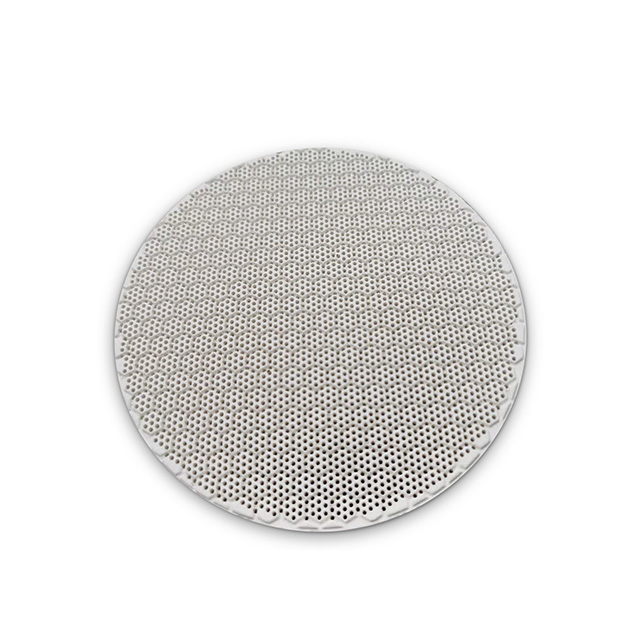
To avoid cracking or breaking, it’s important to gradually heat ceramic plates. Sudden temperature changes can cause stress on the material, leading to thermal shock. Instead of placing a cold ceramic plate directly into a hot oven, preheat the plate alongside your oven. This ensures that the plate warms up evenly, preventing any uneven expansion that might cause cracks.
If you’re reheating a plate, always use lower temperatures and increase the heat gradually. It’s also a good idea to avoid placing a ceramic plate directly from the fridge into the oven. Allow it to reach room temperature before heating, or preheat the oven with the plate inside to prevent rapid temperature shifts.
When using ceramic plates in the oven, always place them on the middle rack. This position ensures even heat distribution around the plate, helping to cook food uniformly. The heat in an oven is typically more intense at the top and bottom, so placing ceramic dishes in the center prevents direct exposure to these extreme temperature zones.
Additionally, placing the plate too close to a broiler or direct heat source can cause it to crack. The middle rack helps to maintain a consistent cooking environment, reducing the risk of damaging the plate or the food.
Using ceramic plates in the oven offers several benefits. One of the main advantages is excellent heat retention. Ceramic plates distribute heat evenly, making them ideal for baking, roasting, and casseroles. The even heat prevents hot spots, ensuring that food cooks uniformly.
Another benefit is the ability to keep food warm after cooking. Ceramic retains heat long after the oven has been turned off, which means your food stays at the perfect temperature for longer. This makes ceramic an excellent choice for dishes that need to be served immediately after cooking.
Best Practice | Why It Matters | Tip |
Gradually heat ceramic plates | Prevents thermal shock and cracking | Preheat ceramic alongside the oven |
Place in the middle rack | Ensures even heat distribution | Avoid placing plates too close to heat sources |
Use for even cooking and heat retention | Helps cook food uniformly and keeps it warm | Ideal for baking, roasting, and casseroles |
Tip: By following these best practices, you can safely use your ceramic plates in the oven and make the most of their excellent cooking properties.
Most ceramic plates are safe for oven use, but it's important to ensure they are oven-safe. Always check for cracks and avoid rapid temperature changes. Follow manufacturer guidelines for temperature limits. Proper care will help ceramic cookware perform at its best in an electric oven. For durable and high-quality ceramic products, Zhong Hong offers reliable cookware designed to meet your needs.
A: Yes, most ceramic plates are safe for use in an electric oven. However, it’s essential to check if the plate is labeled as oven-safe and avoid sudden temperature changes.
A: Look for an "oven-safe" label on the bottom of the plate. Additionally, avoid using decorative or adhesive designs that may not be heat-resistant.
A: Ceramic plates can typically withstand temperatures up to 200°C (400°F). Always check the manufacturer's guidelines for specific temperature limits.