- All
- Product Name
- Product Keyword
- Product Model
- Product Summary
- Product Description
- Multi Field Search
Views: 315 Author: Site Editor Publish Time: 2026-01-14 Origin: Site


Advantages of High Porosity Honeycomb Ceramics in Industrial Applications
The Role of Lightweight Honeycomb Ceramic in Modern Engineering
Ensuring High Quality Honeycomb Ceramic for Professional Use
Environmental and Sustainability Considerations of Honeycomb Ceramics
Common Challenges and Solutions in Handling Honeycomb Ceramic
Honeycomb Ceramic has emerged as a critical material across multiple industrial sectors due to its unique combination of thermal resistance, mechanical strength, and structural versatility. Understanding its properties and applications is essential for engineers, designers, and industrial professionals aiming to leverage its capabilities for optimized performance. This article delves into why knowledge about Honeycomb Ceramic is indispensable, highlighting its practical benefits, potential challenges, and strategic applications across modern industries. By exploring its high porosity, lightweight structure, and customizable options, professionals can make informed decisions that directly impact efficiency, sustainability, and safety.
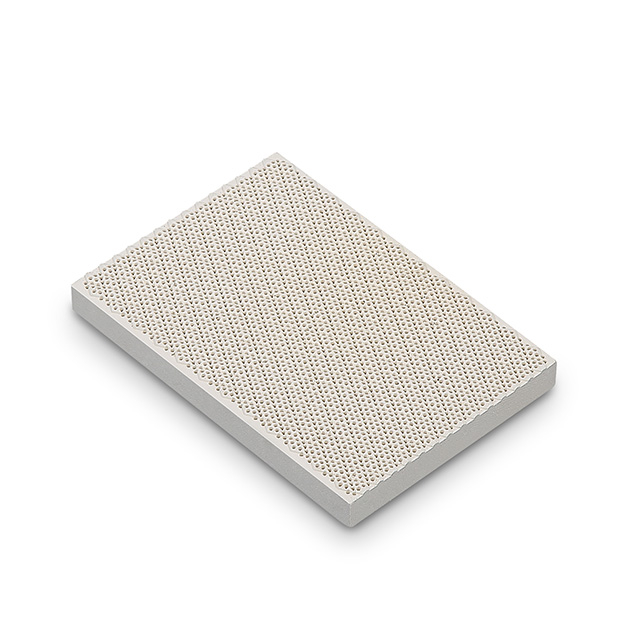
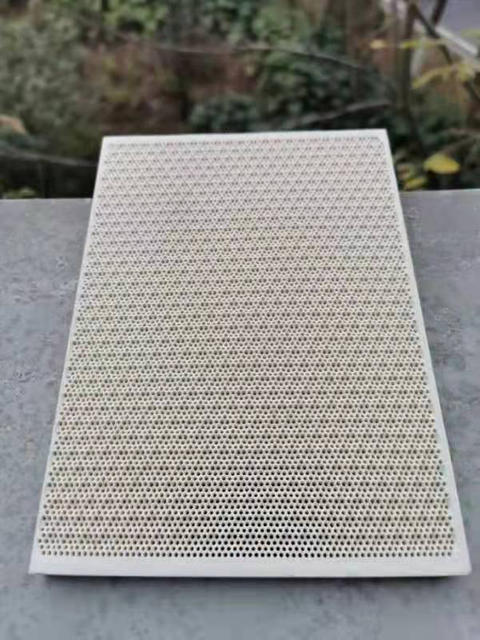
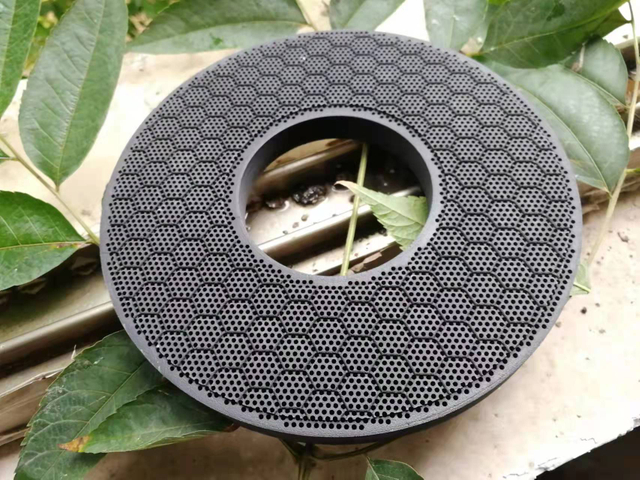
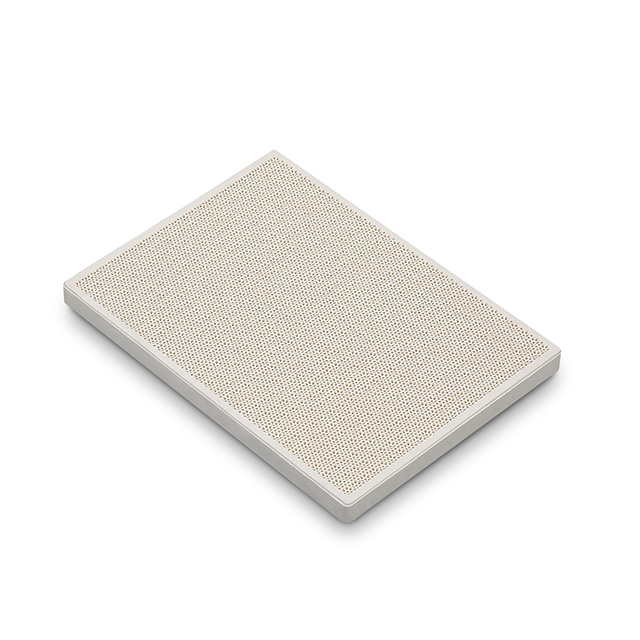
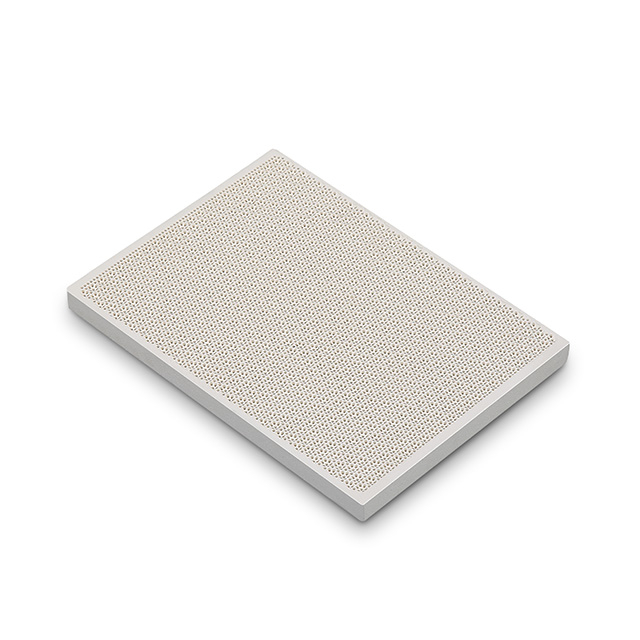
At the foundation of its industrial significance is the distinctive structure of Honeycomb Ceramic. Its cellular, hexagonal configuration allows for remarkable thermal insulation and energy absorption while maintaining minimal material use. Professionals recognize that High Porosity Honeycomb Ceramic ensures not only superior heat dissipation but also significant reduction in weight, which is crucial in sectors like automotive, aerospace, and chemical processing.
Key properties include:
Thermal Resistance: Withstands extreme temperatures without degradation.
Mechanical Strength: Maintains structural integrity under stress.
Chemical Stability: Resistant to corrosion and reactive substances.
Customizability: Pore size and shape can be tailored for specific applications.
This understanding is not merely academic; it directly informs design decisions, from furnace linings to catalytic converters. Engineers who lack familiarity with these core properties risk inefficiencies, premature material failure, and increased operational costs.
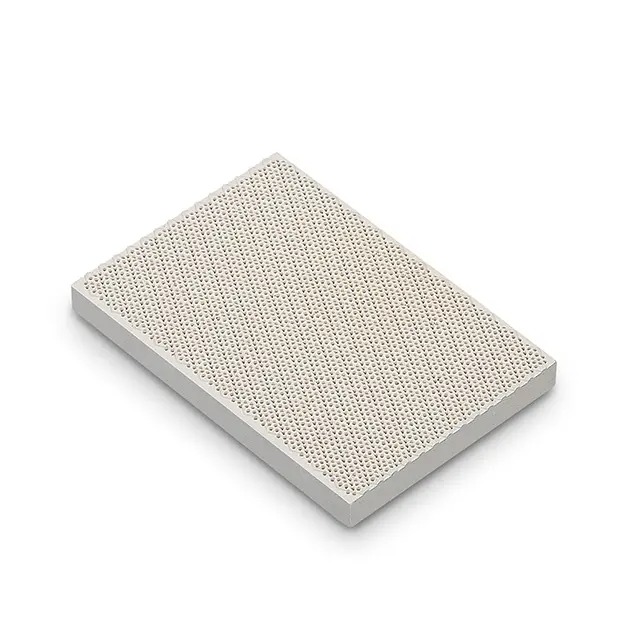
High Porosity Honeycomb Ceramics offer unparalleled advantages in environments requiring effective fluid flow and heat exchange. Industries such as energy production, chemical processing, and automotive engineering rely on these ceramics for their ability to facilitate rapid gas or liquid transfer while maintaining thermal stability.
| Property | Benefit | Example Application |
|---|---|---|
| High Porosity | Enhanced fluid/gas flow | Catalytic converters in vehicles |
| Lightweight | Reduces structural load | Aerospace thermal shields |
| Thermal Resistance | Maintains integrity at high temperatures | Industrial kilns |
| Customizable Pores | Optimized for specific reactions | Chemical reactors |
By comprehending these advantages, professionals can select the right Industrial Use Honeycomb Ceramic for each operational context, minimizing downtime and optimizing performance. Misjudging porosity or structural design can lead to bottlenecks, heat accumulation, and accelerated material wear.
One of the most impactful properties of Lightweight Honeycomb Ceramic is its ability to provide strength without adding excessive mass. In automotive and aerospace sectors, every kilogram saved translates directly into improved fuel efficiency, reduced emissions, and enhanced maneuverability.
Beyond transportation, lightweight ceramics are critical in protective systems, such as firewalls and heat shields. Professionals must understand how to balance High Quality material selection with structural requirements. Selecting a substandard or poorly characterized ceramic may compromise safety and long-term reliability.
The decision-making process includes evaluating:
Density vs. mechanical strength
Thermal expansion coefficients
Compatibility with adhesives and structural supports
The precision in knowledge ensures engineers avoid over-engineering components, maintaining both performance and cost-effectiveness.
The capacity to produce Custom Honeycomb Ceramic allows engineers to tailor materials to specific operational environments. Customization can include:
Cell size variation for fluid dynamics
Specific thermal conductivity for heat-sensitive processes
Mechanical reinforcement patterns for high-load applications
Industries increasingly rely on Professional Custom Honeycomb Ceramics to achieve precise outcomes in challenging conditions. For example, catalytic converters in specialized chemical plants require specific pore geometries to optimize chemical reactions. Without detailed knowledge, a standard design may result in inefficiency or rapid degradation.
Custom designs are particularly significant when integrating Honeycomb Ceramic into multi-material systems, where mismatched thermal expansion or chemical incompatibility can undermine entire assemblies.
Quality control is pivotal for the professional application of Honeycomb Ceramic. Not all ceramics perform equally, and differences in porosity, density, and bonding can significantly impact longevity and efficiency.
High Quality Honeycomb Ceramic ensures:
Consistent pore distribution
Predictable thermal and mechanical performance
Durability under repetitive stress cycles
Compliance with industrial safety standards
Industrial professionals often implement rigorous testing protocols, including thermal cycling, mechanical load tests, and chemical resistance assays. Such knowledge is not optional; it determines whether a component meets functional requirements or becomes a liability.
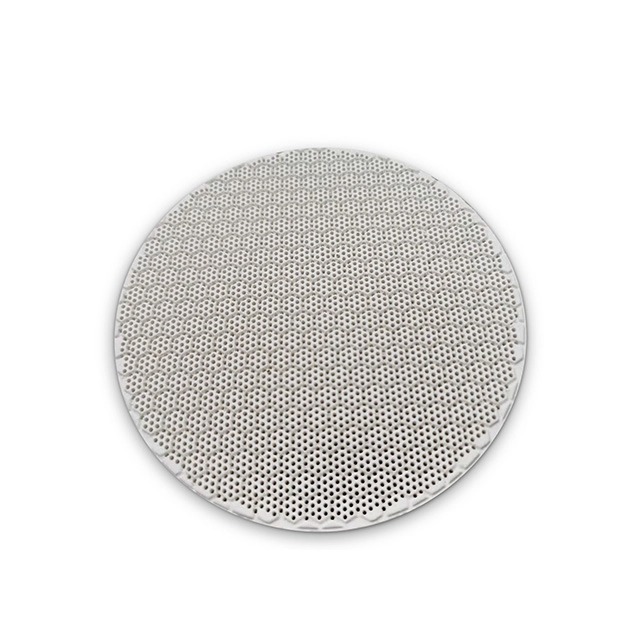
Beyond performance, knowledge about Honeycomb Ceramics extends to environmental impact. Lightweight and durable materials reduce resource consumption over a product’s lifecycle. Additionally, Industrial Use Honeycomb Ceramics in emission control systems help minimize pollutants, contributing to sustainable manufacturing practices.
Professionals must understand:
Lifecycle energy footprint of production
Recyclability of ceramic materials
Efficiency gains from thermal insulation
Integrating this understanding supports eco-friendly initiatives while aligning with regulatory requirements. Ignoring sustainability considerations may result in environmental penalties or missed opportunities for operational optimization.
Despite their advantages, Honeycomb Ceramics present unique handling challenges due to their brittle nature and intricate structure. Common issues include cracking during installation, misalignment in assemblies, or degradation under thermal cycling.
Effective strategies include:
Using Lightweight Honeycomb Ceramic for easier handling
Adhering to installation protocols to prevent stress points
Regular inspection of High Quality components
Custom support structures for fragile designs
Awareness of these challenges is crucial; professionals equipped with this knowledge can prevent costly failures and ensure the long-term reliability of ceramic components.
Knowledge about Honeycomb Ceramic is not merely theoretical; it is essential for practical success across multiple industrial sectors. Understanding its High Porosity, Lightweight, Custom, and High Quality variants allows professionals to make informed choices that enhance efficiency, safety, and sustainability. With growing reliance on high-performance materials, expertise in Honeycomb Ceramics directly influences innovation, operational reliability, and environmental compliance.
Q1: What industries benefit most from Honeycomb Ceramics?
A: Automotive, aerospace, chemical processing, and energy production sectors gain the most due to thermal resistance, fluid dynamics, and lightweight properties.
Q2: Why is porosity important in Honeycomb Ceramics?
A: Porosity determines fluid/gas flow efficiency, thermal insulation, and mechanical resilience, impacting performance in catalytic and thermal applications.
Q3: Can Honeycomb Ceramics be customized?
A: Yes, customization allows control over pore size, geometry, and thermal conductivity to optimize for specific industrial applications.
Q4: What are the main challenges when using Honeycomb Ceramics?
A: Handling fragility, thermal cycling stresses, and ensuring material quality are primary concerns that require professional knowledge.
Q5: How does knowledge of Honeycomb Ceramics affect sustainability?
A: It supports efficient material use, reduces emissions, and improves lifecycle performance, aligning with eco-friendly industrial practices.