- All
- Product Name
- Product Keyword
- Product Model
- Product Summary
- Product Description
- Multi Field Search
Views: 0 Author: Site Editor Publish Time: 2025-09-18 Origin: Site


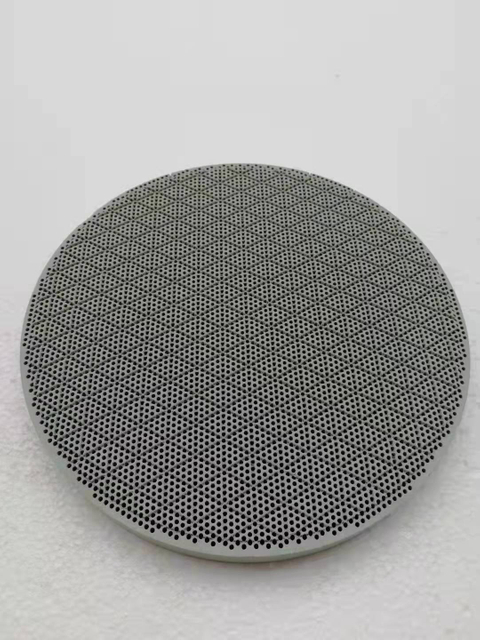
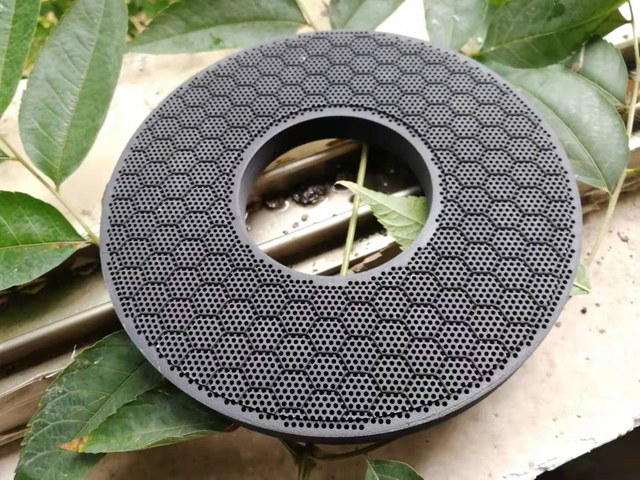
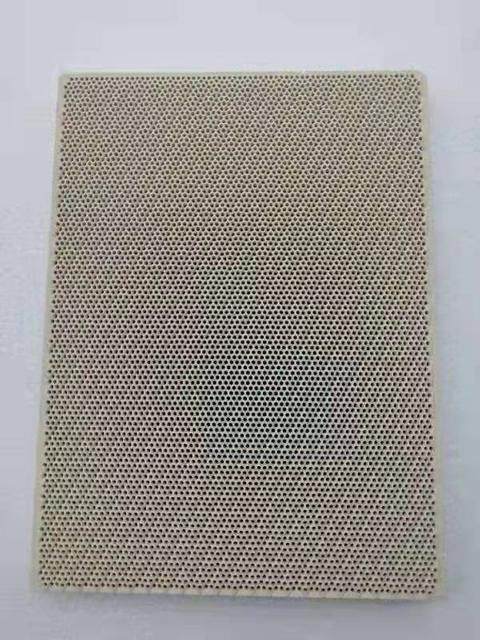
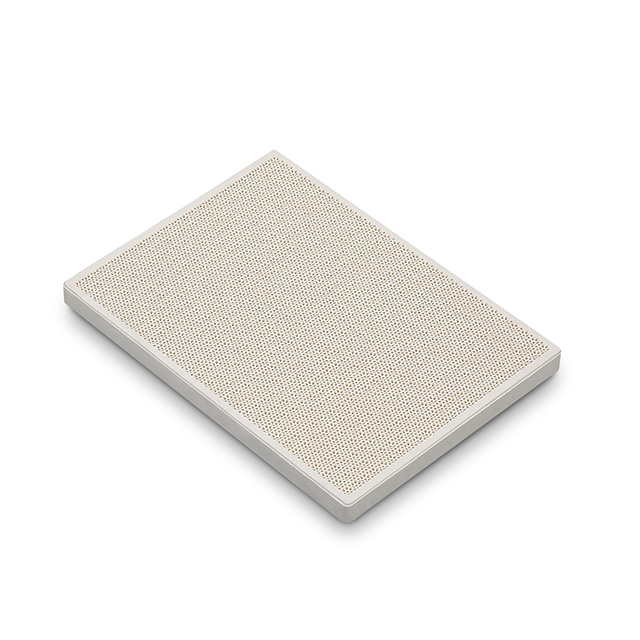
In the realm of heating solutions, especially for commercial and industrial spaces, the choice between ceramic gas heaters and traditional heating systems is a critical decision. This article delves into the intricacies of both systems, examining their differences, performance metrics, and long-term benefits. By doing so, it aims to equip distributors, importers, and resellers with the knowledge necessary to make informed purchasing decisions. For a comprehensive understanding of the components involved, one can explore Honeycomb Ceramic Plates, which play a crucial role in the efficiency of ceramic gas heaters.
Ceramic gas heaters operate by utilizing gas combustion to heat ceramic plates, which subsequently radiate heat through infrared waves. This radiant heating method provides direct warmth to people and objects, contrasting with convection systems that primarily heat the air. The rapid heat-up time and high energy efficiency of ceramic gas heaters make them particularly advantageous for targeted or zone heating. Their low maintenance requirements further enhance their appeal in industrial settings.
Ceramic gas heaters boast several key features that distinguish them from traditional systems. They offer rapid heat-up times, allowing for immediate warmth in large or open spaces. Their high energy efficiency is achieved through minimal heat loss, even in drafty environments. Additionally, these heaters require low maintenance, reducing long-term operational costs. Their design is also conducive to targeted heating, making them ideal for specific zones within a larger area.
Traditional heating systems encompass a variety of methods, including boilers, furnaces, and electric heaters. These systems typically rely on convection, where air is heated and circulated through ducts. Commonly used in residential or large enclosed environments, traditional systems include electric convection heaters, oil or gas furnaces, and centralized HVAC systems. While effective, they often involve higher maintenance and energy costs compared to their ceramic counterparts.
Traditional heating systems are diverse, each with its own set of characteristics. Electric convection heaters are widely used for their simplicity and ease of installation. Oil or gas furnaces provide robust heating capabilities but often require extensive ductwork. Centralized HVAC systems offer comprehensive climate control but can be costly to install and maintain. These systems are generally more suited to residential settings or large office buildings where air circulation is paramount.
The comparison between ceramic gas heaters and traditional heating systems reveals distinct differences in heat delivery methods, energy efficiency, response time, and maintenance requirements. Ceramic gas heaters utilize radiant heat, providing direct warmth with minimal energy loss. In contrast, traditional systems rely on convection, which can lead to energy inefficiencies due to air leakage. The response time of ceramic heaters is notably faster, offering immediate comfort, whereas traditional systems may take longer to reach desired temperatures.
Ceramic gas heaters are renowned for their high thermal efficiency, reducing heat loss even in open or windy conditions. This efficiency translates to lower long-term operating costs, making them a cost-effective choice for industrial applications. Traditional systems, while potentially having lower upfront costs, often incur higher ongoing energy expenses, particularly with electric units. The choice between these systems should consider both initial investment and long-term operational costs.
Safety is paramount when selecting a heating system. Modern ceramic gas heaters meet international CE certification standards and incorporate safety features such as flame supervision devices and oxygen depletion sensors. These features ensure safe operation in various environments. Traditional systems also adhere to safety regulations, but their reliance on ductwork and air circulation can pose additional challenges in maintaining indoor air quality.
Ceramic gas heaters offer high installation flexibility, with options for wall-mounted, ceiling-suspended, or portable formats. This adaptability makes them easier to retrofit into existing buildings without significant structural modifications. Traditional systems, on the other hand, often require extensive ductwork and structural changes, limiting their flexibility. The choice of system should consider the specific installation requirements and constraints of the intended space.
The heating industry is witnessing a shift towards more sustainable and efficient solutions. Many commercial buyers are gravitating towards ceramic gas heaters due to their alignment with sustainability goals, lower emissions, and precise heating capabilities. This trend is particularly evident in Europe, where there is a growing demand for sustainable heating solutions. For those interested in the evolving landscape of heating technologies, the use of Honeycomb Ceramic Plates offers a glimpse into the future of efficient heating.
In conclusion, ceramic gas heaters present a compelling option for B2B buyers seeking reliable, efficient, and modern heating solutions. Their superior performance, flexibility, and cost-efficiency make them an excellent choice for a range of commercial and industrial environments. By understanding the unique advantages of ceramic gas heaters, stakeholders can make informed decisions that align with their operational and sustainability goals. For further exploration of ceramic heating solutions, consider examining the role of Honeycomb Ceramic Plates in enhancing efficiency.
1. What is the primary difference between ceramic gas heaters and traditional heaters?
Ceramic gas heaters use infrared radiant heat, providing direct warmth, while traditional systems often rely on convection to warm the air, making ceramic heaters faster and more efficient in open or large spaces.
2. Are ceramic gas heaters energy-efficient?
Yes, they offer high thermal efficiency by directly heating people and objects, minimizing energy waste and reducing operational costs.
3. Where are commercial gas heaters most commonly used?
They are commonly used in warehouses, greenhouses, factories, and outdoor commercial areas, ideal for spaces with high ceilings or poor insulation.
4. Do ceramic gas heaters require ventilation?
Yes, like any combustion-based appliance, proper ventilation is essential. Always follow manufacturer safety guidelines to ensure safe operation.
5. Are ceramic gas heaters safe for indoor use?
When used correctly and in compliance with local regulations, ceramic heaters are safe. Choose CE-certified units and ensure proper installation for optimal safety.
6. Can ceramic gas heaters replace electric systems?
In many commercial and industrial applications, ceramic gas heaters can outperform electric systems in terms of cost, speed, and efficiency, making them a viable replacement.
7. What’s better for large spaces — ceramic or convection heating?
Ceramic heating is usually better for large spaces because it provides direct warmth and isn’t affected by air drafts or large volumes, offering more efficient heating.