- All
- Product Name
- Product Keyword
- Product Model
- Product Summary
- Product Description
- Multi Field Search
Views: 0 Author: Site Editor Publish Time: 2025-09-18 Origin: Site


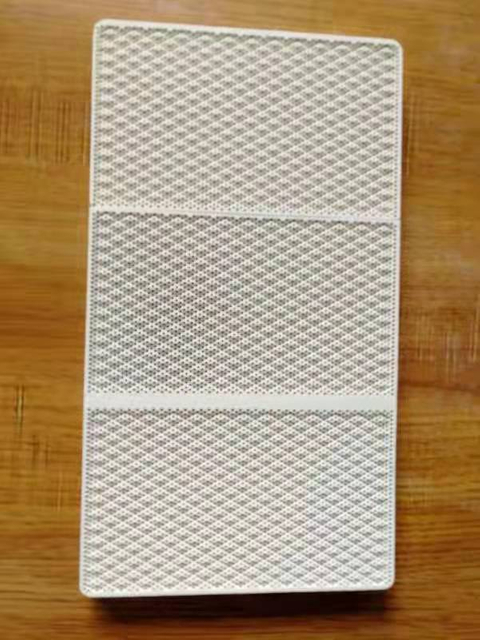
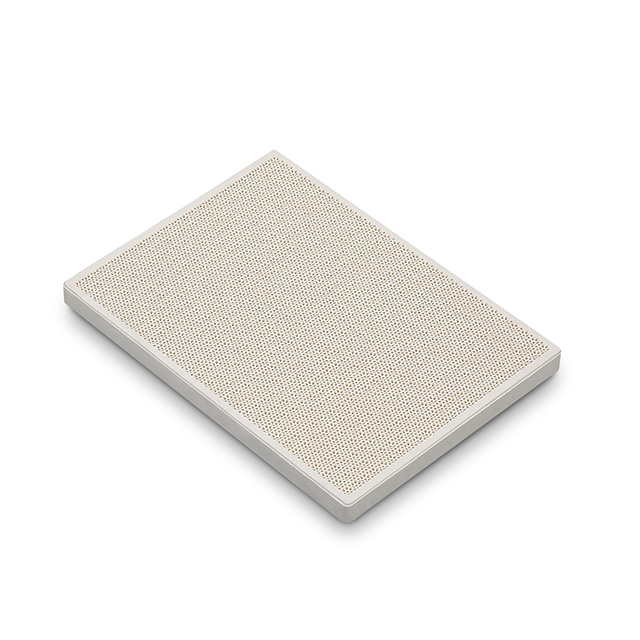
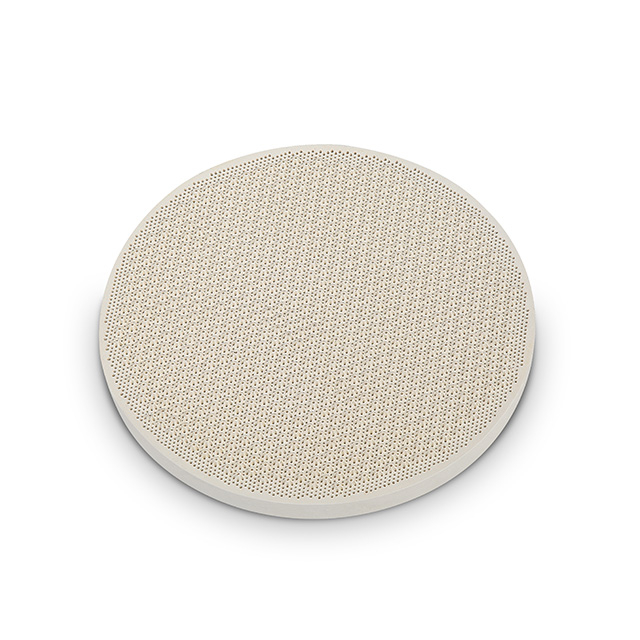
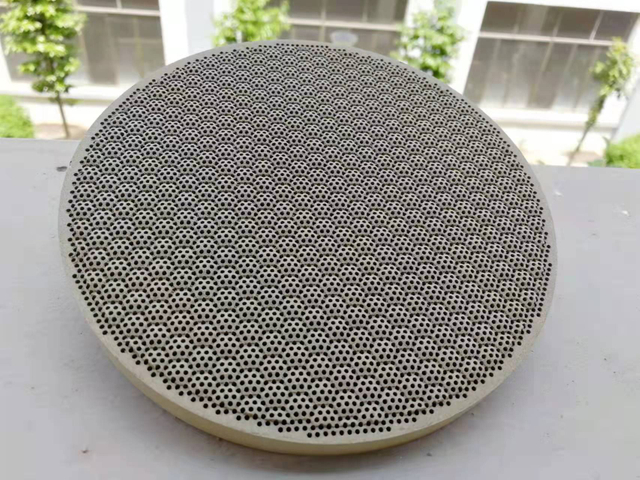
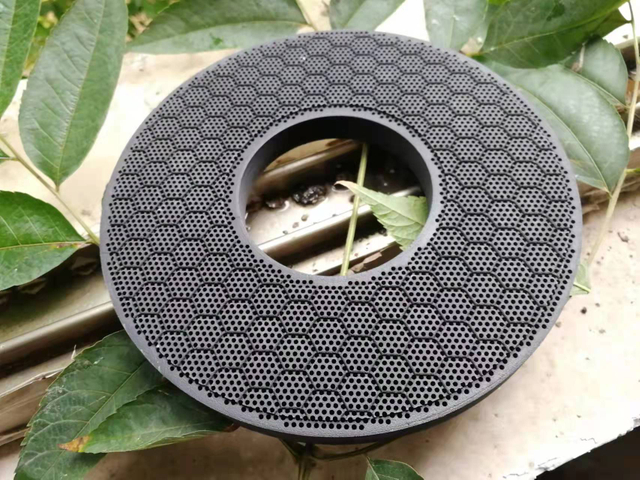
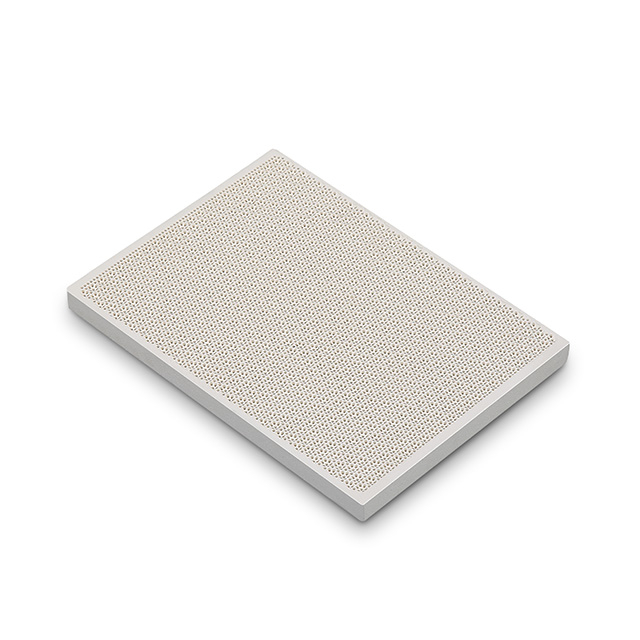
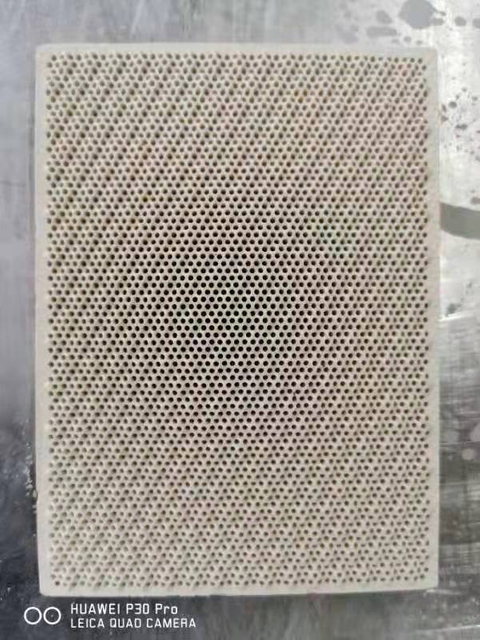
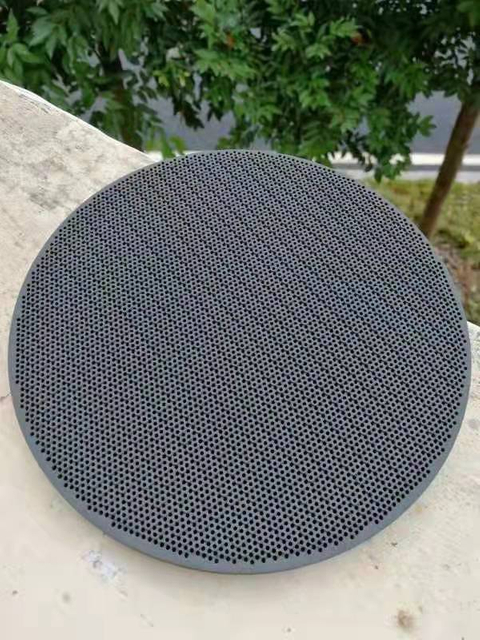
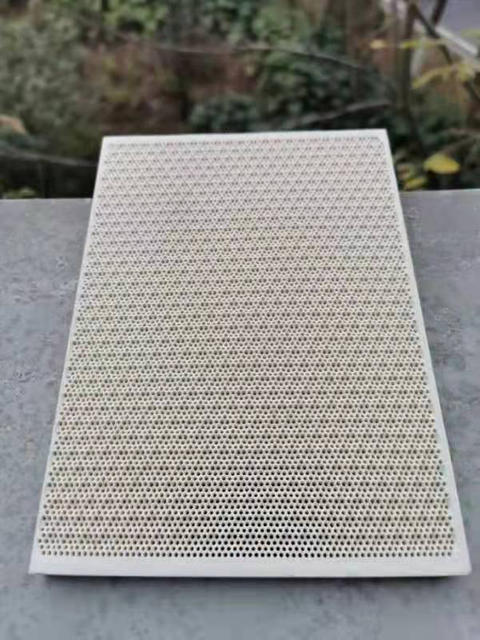
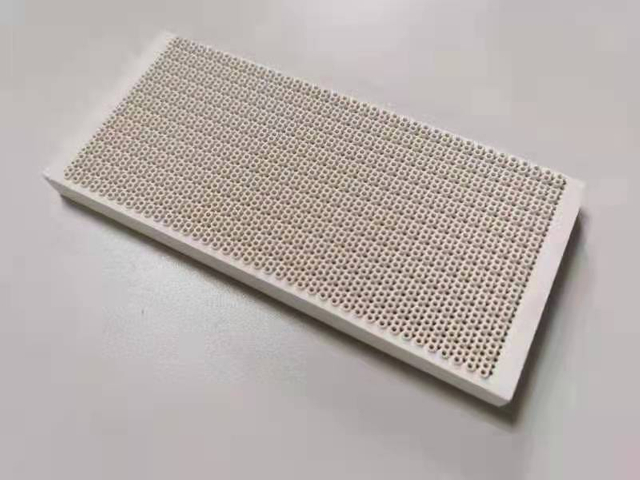
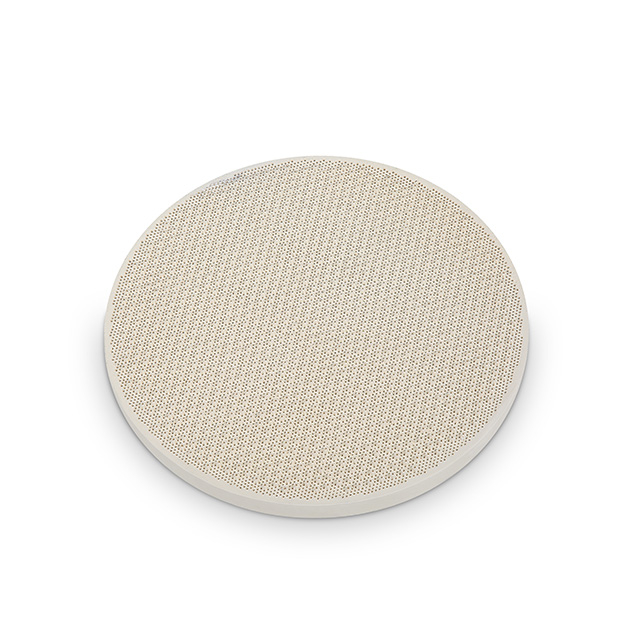
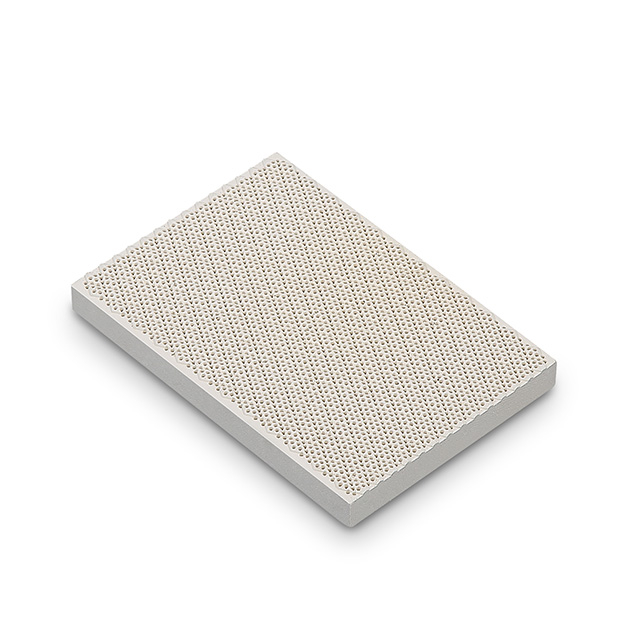
Ceramic heaters have become a pivotal technology in modern heating solutions, offering a blend of efficiency, safety, and versatility. This article delves into the science, types, and advantages of ceramic heaters, providing a comprehensive understanding for both consumers and industry professionals. For those interested in specific applications, Honeycomb Ceramic Plates offer unique benefits in heat distribution and energy efficiency.
Ceramic heaters are a type of electric heater that utilizes a positive temperature coefficient (PTC) ceramic element. They operate on the principle of resistive heating, where ceramic materials with high electrical resistance and thermal transfer capabilities generate heat efficiently. The core of these heaters is typically made from pure ceramic or a composite of metal and ceramic, which acts as an insulator while conducting heat to its surroundings. This design minimizes energy and heat losses, making ceramic heaters a preferred choice for various applications, including industrial processes like drying and molding, as well as space heating.
The operation of ceramic heaters is rooted in the concept of resistive heating, also known as Joule heating. This process occurs when an electrical current passes through a resistive heating element, typically made of advanced ceramic materials like PTC ceramics or ceramic plates. As electricity flows through the element, it encounters resistance, generating heat as a byproduct. This transformation of electrical energy into thermal energy makes ceramic heaters a safe and energy-efficient solution for many heating needs.
At the molecular level, resistive heating involves the movement of free electrons in response to an electric field, causing collisions that generate heat. This mechanism is fundamental to all electric space heaters and ceramic panel heaters. The resistance of the material is a key factor, influencing the heat generation and efficiency of the heater. Manufacturers carefully select materials to balance resistance, ensuring optimal heat output and longevity.
Ceramic heaters come in various forms, each designed for specific applications. Key types include:
Cartridge heaters are tube-shaped elements with resistance wires wound around a ceramic core, encased in a metal sheath. They are ideal for localized heating in industrial settings, offering precise and reliable heat transfer.
These heaters feature a resistance wire wound in ceramic fiber, encased in a metal sheath. They are used to heat cylindrical machinery parts, providing even heat distribution and energy efficiency.
Portable and efficient, ceramic space heaters are designed for heating small to medium-sized rooms. They offer rapid warmth and consistent temperature control, making them suitable for homes and offices.
Ceramic heaters offer several advantages, including:
Clean energy source: Unlike fuel-powered heaters, ceramic heaters do not produce harmful by-products.
Easy operation: They start heating immediately upon being plugged in.
Safety: With no combustion involved, the risk of fires is significantly reduced.
Compact and efficient: Despite their size, they produce a substantial amount of heat.
Advanced features: They can be equipped with thermostats and control panels for better safety and efficiency.
Ceramic heaters represent a significant advancement in heating technology, offering a blend of efficiency, safety, and versatility. Their ability to provide rapid, consistent heat while minimizing energy waste makes them a preferred choice for both residential and industrial applications. For more detailed information on specific ceramic heating solutions, consider exploring Honeycomb Ceramic Plates.
1. What makes ceramic heaters energy efficient?
Ceramic heaters utilize resistive heating, converting electrical energy into thermal energy with minimal waste, thanks to their advanced ceramic materials.
2. Are ceramic heaters safe for home use?
Yes, ceramic heaters are designed with safety features like cool-touch surfaces and automatic shutoff, making them safe for residential use.
3. How do ceramic space heaters differ from other types?
Ceramic space heaters are portable and designed for small to medium-sized rooms, offering rapid and consistent heating.
4. Can ceramic heaters be used in industrial settings?
Yes, types like cartridge and band heaters are specifically designed for industrial applications, providing precise and reliable heat.
5. What are the environmental benefits of ceramic heaters?
As electric heaters, they do not produce harmful emissions, making them an environmentally friendly option.
6. Do ceramic heaters require maintenance?
Generally, they require minimal maintenance, but regular checks can ensure optimal performance and longevity.
7. How do Honeycomb Ceramic Plates enhance heater performance?
Honeycomb Ceramic Plates improve heat distribution and energy efficiency, making them a valuable component in advanced ceramic heaters.